A whisky cask can be a compelling tangible asset, but the route you take into ownership changes what you actually control. When considering buying casks vs cask shares, the central question is not simply how much you want to spend. It is whether you want direct title to a specific cask, or exposure to one through a fractional structure.
Both models can have a place in a considered whisky portfolio. They differ materially in ownership rights, administration, costs, exit options and the degree of control you retain. The right choice depends on your capital, time horizon and appetite for managing the practical details behind a maturing Scotch whisky cask.
Buying casks vs cask shares: the core distinction
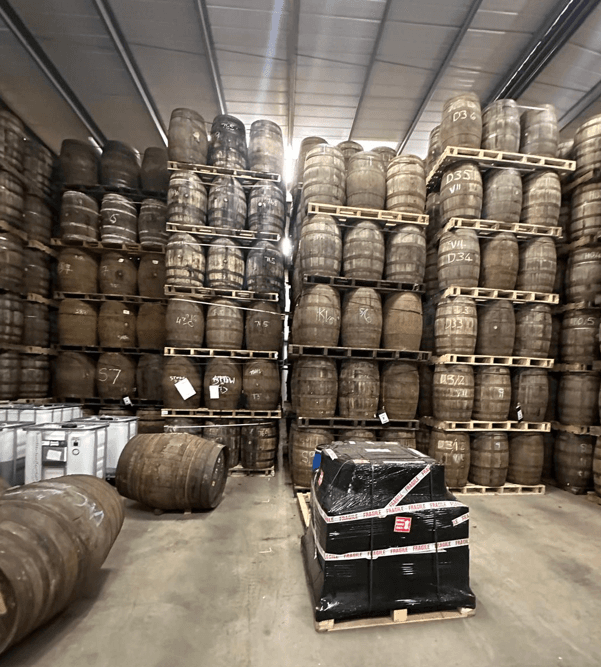
Buying a full cask generally means acquiring title to an identified, physical cask held in a bonded warehouse. The cask has a distillery, filling date, cask type, age, regauge information and a unique reference. Ownership is normally evidenced through a warehouse document, often called a delivery order or certificate of ownership, with the transfer recorded by the warehouse or a recognised administrator.
A cask share, by contrast, is a fractional interest. You may own a stated proportion of a named cask, or you may hold shares in a company or structure that owns it. These are not interchangeable arrangements. The precise legal and commercial documentation determines whether you have a direct beneficial interest in a cask or a contractual claim against the provider.
That distinction matters when the time comes to insure, bottle, transfer or sell the holding. A share can lower the entry cost, but it can also add a layer between the buyer and the underlying asset.
Full cask ownership: control with greater commitment
A whole cask gives the owner clear, direct exposure to a single asset. You can decide whether to retain it in bond, arrange a regauge, consider a cask change where appropriate, or plan a future sale or bottling project. Subject to warehouse procedures and any restrictions, those decisions are yours.
This level of control appeals to collectors and buyers who want a more tangible relationship with their whisky. You know precisely what you own and can assess its condition, maturation profile and market position over time. It also makes the ownership story easier to communicate when presenting the cask to a future buyer.
The trade-off is that a full cask requires more capital upfront. Purchase price varies significantly by distillery, age, rarity, cask type and provenance. You must also budget for annual bonded storage, insurance, warehouse administration, potential samples or regauges, and eventual sale or bottling costs.
A full cask is not automatically liquid. It is a specialist asset, and value depends on buyer demand at the point of sale, documentation quality, cask condition and the credibility of the route to market. A well-known distillery may be easier to place than an obscure one, but no cask should be bought on an assumption of a guaranteed return.
What direct owners should verify
Before completing a purchase, establish that the cask exists, is held in bond and is available to transfer. Confirm its distillery, cask number, type, filling date, bulk litres, alcohol by volume, warehouse location and the date of the latest regauge. Ask for a clear statement of all ongoing charges and who is responsible for arranging the ownership transfer.
The transfer document matters as much as the sales description. A credible process should identify the buyer, the specific cask and the warehouse arrangement, then provide confirmation once the warehouse records have been updated. If those steps are vague, the buyer does not yet have the certainty that direct cask ownership is meant to provide.
Cask shares: lower entry cost, different rights
Cask shares can make whisky ownership more accessible. Instead of funding the full value of one cask, an investor can take a proportionate position, potentially spreading a set budget across several casks, distilleries or maturation styles. That diversification may reduce reliance on the performance and saleability of one individual asset.
For a first-time buyer, a share structure can also remove some of the administration. The provider may handle bonded storage, insurance, documentation and eventual sales coordination on behalf of all participants. This can be useful where a buyer wants exposure to the category without taking responsibility for each operational decision.
However, convenience should not be mistaken for simplicity. Ask what you are buying. If it is a share in a company, you own shares in that company rather than title to a portion of a cask. If it is a fractional beneficial interest, understand how that interest is recorded, whether it is recognised by the warehouse, and how decisions are made among multiple owners.
Exit arrangements deserve particular scrutiny. A full-cask owner can usually instruct a sale, subject to warehouse and transaction procedures. A shareowner may only be able to sell through the original platform, wait for a planned disposal date, or find a buyer for a less familiar fractional instrument. A low purchase threshold does not guarantee a low-friction resale.
Compare the cost beyond the purchase price
The entry price is often the most visible difference between buying a cask and buying a share. It is rarely the most useful comparison on its own.
With a full cask, costs are generally transparent and attributable to your asset: purchase price, storage, insurance, transfer administration and fees connected to a future sale or bottling. The amount may be higher, but you can see where it is going and retain control over the exit timetable.
With shares, annual management charges may be included, charged separately or deducted from proceeds at sale. There may be performance fees, platform fees, minimum holding periods, transfer restrictions or costs for changing the registered holder. Read the fee schedule and ask for an illustration of what happens if the cask is held for several years and then sold.
Tax treatment can also differ according to your residence, the ownership structure and whether whisky remains in bond. Personal tax advice is essential before committing capital, particularly for buyers investing across borders. A Scottish cask may sit in a UK bonded warehouse while its owner lives elsewhere, and the commercial and reporting implications should be understood in advance.
Liquidity depends on documentation and demand
Whisky casks do not trade like listed shares. There is no universal live market price, and asking prices are not proof of completed transactions. The most reliable pricing view considers comparable sales, distillery demand, age, cask specification, current volume, alcohol strength, provenance and the likely buyer pool.
Direct ownership can support a clearer resale process because the buyer can review the cask-specific paperwork and arrange a transfer of title. Yet a full cask is a larger ticket purchase, which can narrow the audience. Fractional shares may appear easier to sell because they cost less, but their market can be narrower if buyers are uncertain about their rights or the transfer mechanism.
For either route, keep records in order from day one. Retain invoices, ownership documents, warehouse confirmations, storage statements, regauge reports and correspondence about the cask. Good records reduce friction during due diligence and give a prospective buyer more confidence.
Which route suits your objectives?
A full cask is usually better suited to buyers who want identifiable asset ownership, the ability to determine their own holding period and a direct role in resale or bottling decisions. It suits those comfortable with the higher initial outlay and recurring administration costs.
Cask shares may suit buyers seeking a smaller initial commitment, diversification across multiple holdings or a managed route into the category. They can be appropriate where the legal structure is clear, the fees are fully disclosed and the provider explains exactly how a sale, transfer or winding-up event would work.
Neither structure removes risk. Whisky can lose value, demand can change, evaporation reduces volume over time, and a cask may become harder to sell than expected. Maturation is not a substitute for due diligence, and exclusivity alone does not create liquidity.
Questions to ask before you commit
Whether buying a full cask or a share, request clear answers to the following:
- What exactly do I own, and what document proves it?
- Is the whisky held in a bonded warehouse, and where is it stored?
- What are the annual storage, insurance and management charges?
- Who can instruct a sale, and what is the expected exit process?
- Are there restrictions on transfer, bottling or changing ownership?
- What information supports the stated valuation or asking price?
A professional marketplace should be able to explain these points without relying on vague promises about future appreciation. At Cask Empire, the focus is on verified inventory, documented transfers and practical support around storage and resale, because certainty of process is part of the asset’s value.
The best choice is the one you can describe clearly on paper: what you own, where it is held, what it costs to maintain and how you may eventually sell it. If any of those answers remain unclear, pause before funding the purchase.