Scotch Whisky Cask for Sale: What Buyers Should Look For Before Purchasing
A Scotch whisky cask for sale can appear straightforward. A recognised distillery, an age statement, a litre count and an asking price may seem like everything you need.
In reality, those details only tell part of the story.
The real value of a cask lies behind the listing. Ownership records, bonded warehouse status, regauge information, storage history and transfer documentation all play a role in determining whether you're buying a genuine asset with a clear route to future resale.
Whether you're purchasing your first cask or expanding an existing portfolio, understanding these fundamentals is far more important than focusing on the marketing.
What makes a Scotch whisky cask worth buying?
Not every cask offers the same opportunity.
The strongest opportunities generally have three things in common:
- Clear ownership documentation
- Recognised bonded warehouse storage
- Transparent pricing supported by current market evidence
A cask may be attractive because it comes from a sought-after distillery, has reached an appealing stage of maturation, or offers favourable remaining litres of alcohol. Those factors certainly matter, but none replace proper due diligence.
A prestigious distillery does not guarantee a good purchase, just as a lesser-known distillery should not automatically be overlooked. Well-priced casks with strong documentation and healthy maturation characteristics often represent excellent value regardless of brand recognition.
Timing also influences buying decisions.
Some buyers deliberately seek younger casks with a longer maturation horizon, while others prefer mature stock that may be closer to bottling or resale. Neither strategy is inherently better. The right choice depends on your objectives, budget and expected holding period.
What should you verify before buying?
Ownership should always be your first priority.
A legitimate seller should be able to demonstrate clear title through supporting documentation, including Delivery Orders, warehouse records and any previous ownership transfers where applicable.
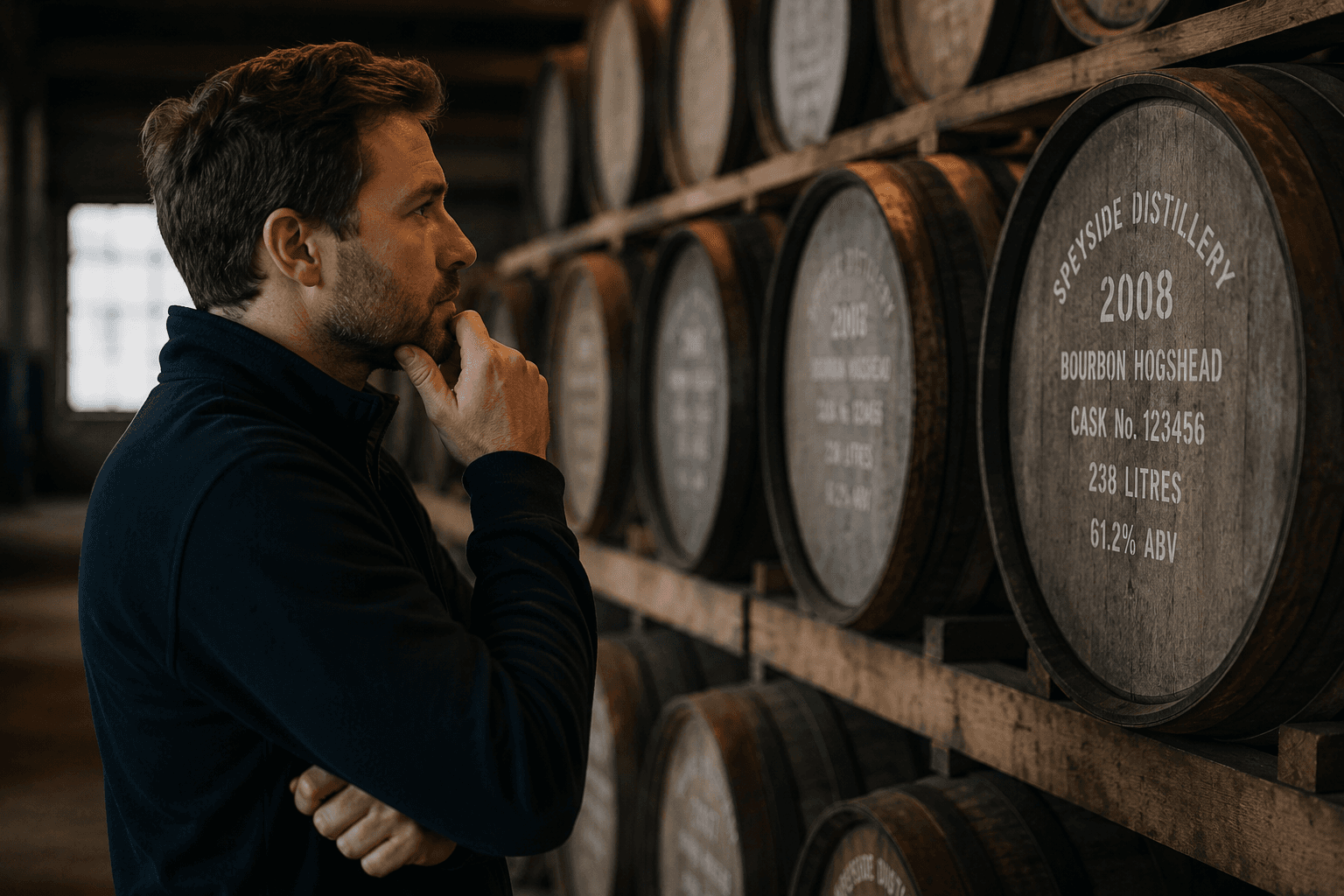
You should also verify the key specifications of the cask itself, including:
- Distillery
- Fill date
- Cask type
- Cask number
- Bulk litres
- Alcohol by Volume (ABV)
- Regauged Pure Alcohol Litres (RLA), where available
These figures directly influence valuation, future maturation potential and eventual bottling calculations.
Storage arrangements deserve equal attention.
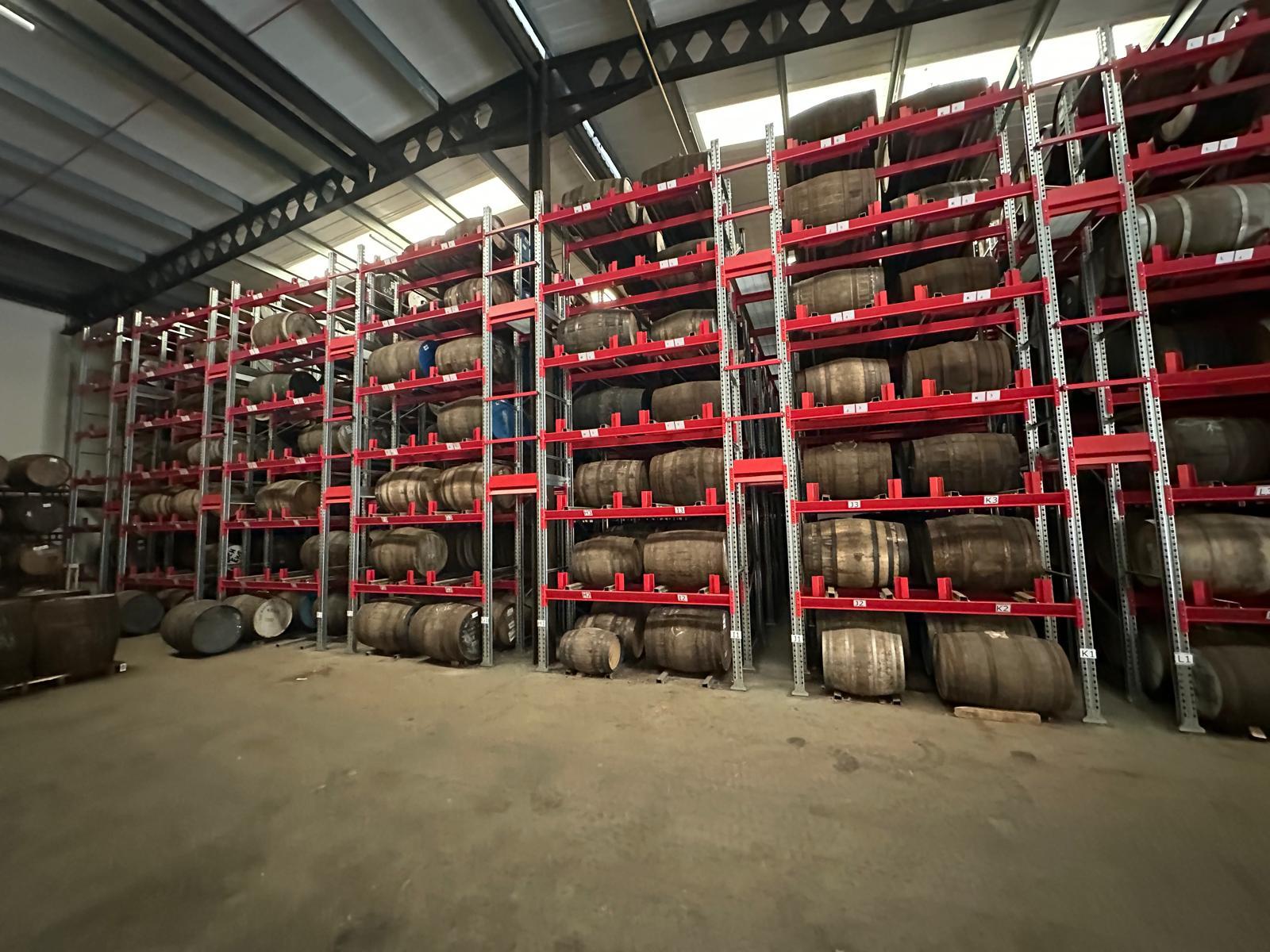
A cask held within a recognised bonded warehouse under established administration provides significantly greater confidence than one with unclear custodial arrangements. Buyers should understand exactly where the cask is stored, who administers the warehouse account, whether storage fees are current and what process governs future ownership transfers.
Condition should also be discussed realistically.
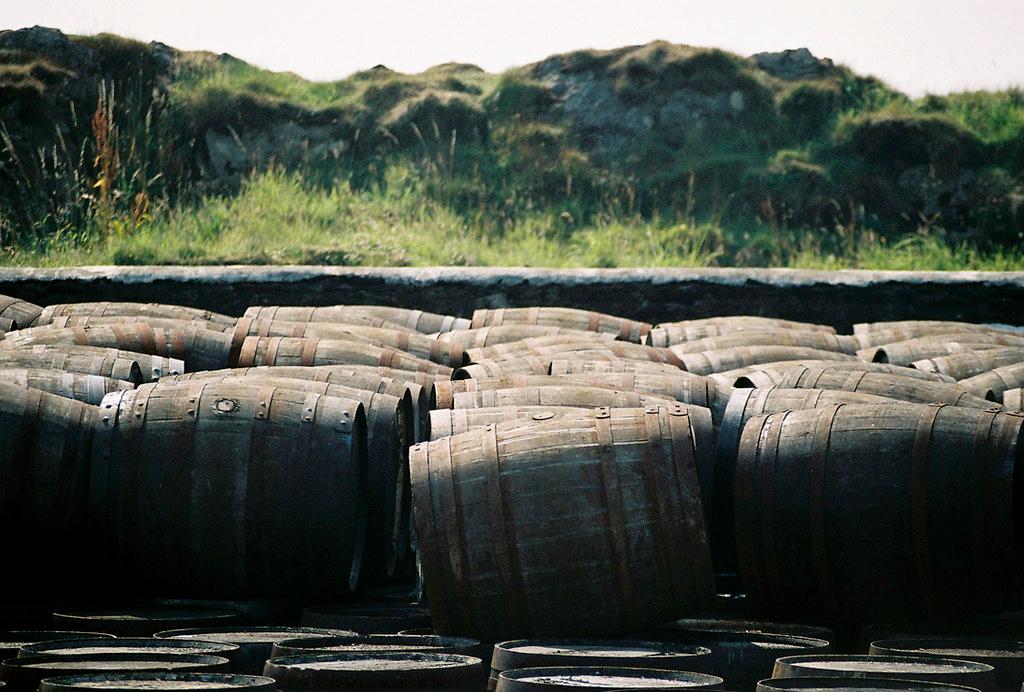
Whisky casks are physical assets. Natural evaporation, ullage changes, leakage and long-term storage considerations all form part of ownership. Proper bonded storage helps manage these risks, but they should never be ignored.
Looking beyond the purchase price
Many first-time buyers naturally focus on the advertised price.
Experienced buyers usually focus on the total cost of ownership.
Annual storage, insurance, regauging, sampling, ownership transfers and future selling costs all contribute to the overall economics of the investment. Understanding these costs from the outset prevents unpleasant surprises later.
Pricing itself is rarely straightforward.
Two casks from the same distillery and vintage can command very different values depending on remaining litres, cask type, ABV, warehouse history and overall market demand.
A cheaper cask is not always better value if the documentation is incomplete or resale becomes difficult. Equally, paying a premium for a well-documented cask with clean ownership records can often prove the better long-term decision.
The part many buyers underestimate
Buying the cask is only the beginning.
Once terms are agreed, ownership must be transferred correctly. Warehouse instructions need updating, documentation must align and title should pass cleanly to the new owner.
This administrative process is where unnecessary delays often occur.
Before completing any purchase, buyers should understand:
- How payment will be handled
- When legal ownership transfers
- Which documents they will receive
- How warehouse records will be updated
If these questions cannot be answered clearly, caution is sensible.
This becomes particularly important for international buyers, who routinely own casks stored in Scotland without ever visiting the warehouse.
A structured transaction process significantly reduces complexity and helps protect future resale options.
At Cask Empire, transaction support extends beyond simply introducing buyers and sellers. Documentation review, valuation guidance, bonded warehouse coordination and ownership transfers all form part of creating a smoother buying experience.
Understanding the risks
Whisky casks are tangible assets, but they are not risk-free.
Prices do not move uniformly across every distillery or age category, and liquidity varies considerably throughout the market. Some casks attract strong buyer demand, while others require greater patience before finding the right purchaser.
Concentration risk should also be considered.
Owning a single cask from one distillery provides limited diversification. Buyers treating whisky as part of a broader alternative asset portfolio should consider position sizing alongside their intended holding period.
Counterparty risk is equally important.
If ownership cannot be evidenced properly or documentation appears incomplete, the transaction itself carries unnecessary risk. Good paperwork protects both current ownership and future resale opportunities.
Always think about the exit
The strongest purchases are often those that will be easiest to sell later.
Clean documentation, recognised bonded storage, rational pricing and clear ownership history all contribute to a cask's future marketability.
Prestigious distilleries can certainly support demand, but they also tend to command higher entry prices. Meanwhile, well-selected casks from emerging or less fashionable distilleries can sometimes offer stronger value when supported by attractive maturation characteristics and realistic pricing.
Your intended exit strategy should influence your buying decision from the very beginning.
Whether your objective is long-term holding, bottling or eventual resale, the purchase should make commercial sense not only today, but several years from now.
Working with a specialist marketplace can also make future disposals considerably easier by providing ongoing valuation support, buyer matching and transfer management when the time comes to sell.
Questions every buyer should ask
Before purchasing any Scotch whisky cask, ask straightforward questions and expect equally straightforward answers.
- Who currently owns the cask?
- What documentation proves ownership?
- Where is the cask stored?
- Which bonded warehouse administers it?
- Are storage fees fully up to date?
- What is the latest regauged RLA and ABV?
- What ongoing ownership costs should I expect?
- How would a future resale be managed?
Professional sellers should welcome these questions.
Clear answers create confidence for both parties and reduce the likelihood of problems later.
Buy with the end in mind
The best whisky cask purchases are rarely the ones with the loudest marketing.
They are the casks supported by clean ownership records, recognised bonded storage, sensible valuations and a straightforward route to future resale.
If you're considering purchasing a Scotch whisky cask, think beyond today's asking price.
A well-chosen cask should still make commercial sense years from now, whether you decide to continue holding it, transfer ownership or bring it back to market.