Whisky Cask Storage Explained: Bonded Warehouses, Costs & Ownership
A whisky cask may spend decades quietly maturing in a warehouse, but where it is stored and how it is managed can have a significant impact on its value, ownership and future resale.
Many first-time buyers focus on the distillery, the age of the whisky or the asking price. While those factors are important, whisky cask storage is just as critical. A cask with clear documentation, recognised bonded warehouse storage and transparent ownership records is often far more attractive than one with incomplete paperwork, regardless of the distillery.
Understanding how whisky cask storage works will help you make more informed buying decisions, avoid unnecessary risks and protect your investment over the long term.
How Whisky Cask Storage Works
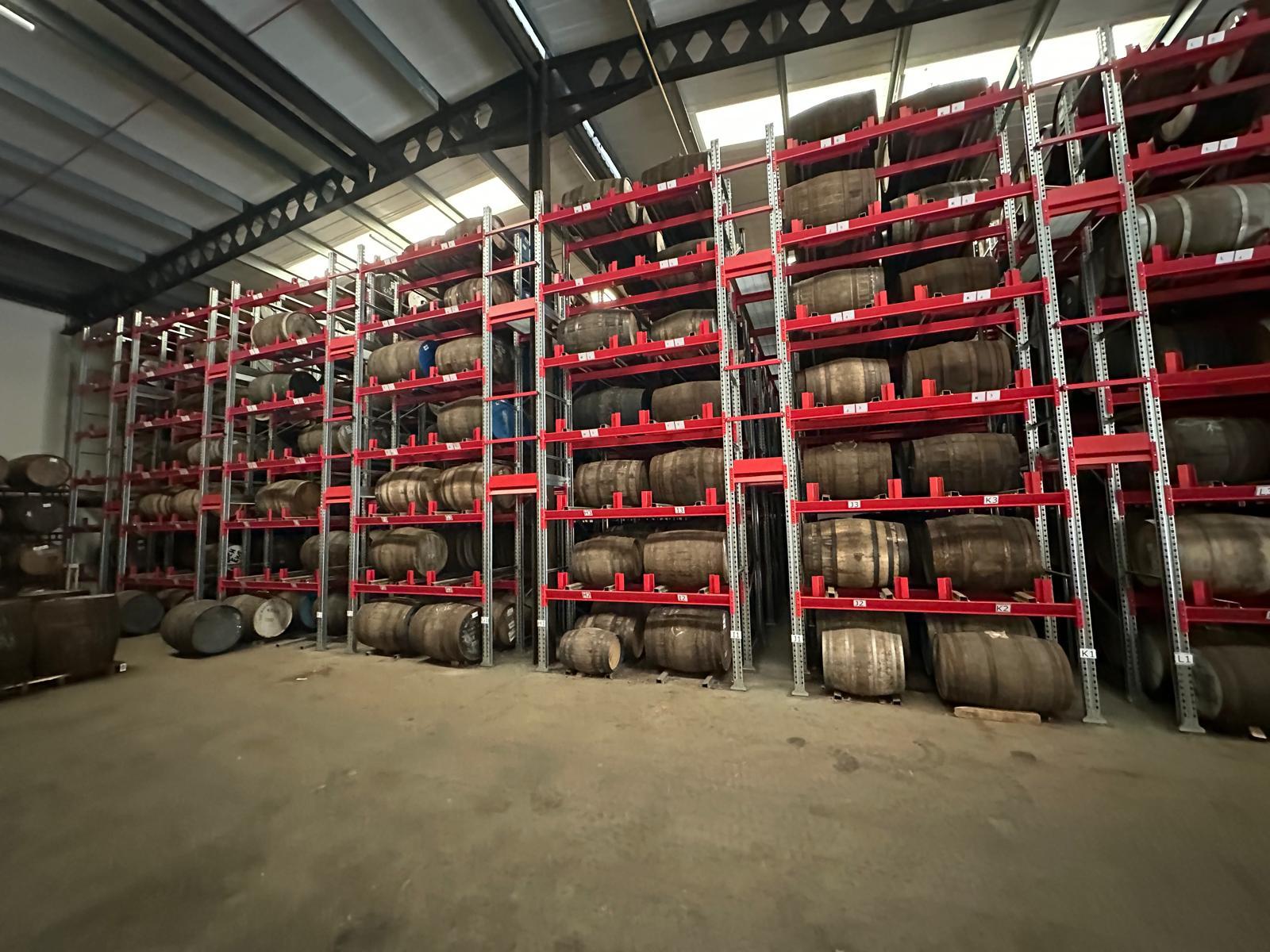
Most Scotch whisky casks are stored in HMRC-approved bonded warehouses throughout Scotland.
A bonded warehouse allows whisky to mature under duty suspension, meaning excise duty is not payable while the spirit remains in storage. Duty is generally only paid when the whisky leaves bond for bottling or enters the domestic market.
This system makes the buying and selling of whisky casks considerably more efficient. Ownership can change hands while the cask remains safely in storage, without triggering unnecessary tax liabilities.
More importantly, bonded warehouses maintain official records of every cask under their care. These records help verify ownership, confirm the cask's location and provide confidence to future buyers.
What Does a Bonded Warehouse Do?
A bonded warehouse provides much more than secure storage.
Warehouse operators maintain detailed records for every cask, including:
- Distillery
- Fill date
- Cask number
- Cask type
- Bulk litres
- Alcohol by Volume (ABV)
- Regauged Pure Alcohol Litres (RLA)
- Warehouse location
The warehouse also oversees any approved movement of the cask, including ownership transfers, regauging, sampling and re-racking.
Private owners cannot simply remove or relocate their cask whenever they choose. Every change must follow the warehouse's formal procedures to maintain an accurate chain of custody.
Why Whisky Cask Storage Matters
Proper whisky cask storage protects far more than the physical barrel.
It protects the documentation that proves ownership, preserves provenance and gives future buyers confidence that the cask has been professionally managed.
When a buyer is comparing two similar casks, clear warehouse records and recognised bonded storage can often make one considerably easier to sell than the other.
For that reason, experienced buyers often place just as much importance on documentation and storage arrangements as they do on the whisky itself.
The Importance of Regauging
As whisky matures, a small amount naturally evaporates through the oak. This is commonly known as the angel's share.
Over time, both the volume of spirit and its alcohol strength change, which is why periodic regauging is important.
A regauge provides an official measurement of the cask's current contents, including:
- Remaining litres
- Alcohol strength (ABV)
- Pure Alcohol Litres (RLA)
Because buyers are purchasing the whisky that exists today—not the quantity originally filled decades ago—up-to-date regauge information plays an important role in valuation.