Whisky Cask Fees Explained: Understanding the True Cost of Ownership
The purchase price is only one part of owning a whisky cask. Storage, insurance, warehouse administration and exit costs all contribute to the overall cost of ownership, which is why understanding these fees is just as important as finding the right cask.
One of the biggest misconceptions in the whisky cask market is that every fee is a warning sign. In reality, most are legitimate costs associated with bonded warehouses, regulatory requirements and the administration needed to protect your ownership.
The important question isn't whether fees exist—it's whether they're transparent, reasonable and clearly explained before you buy.
At Cask Empire, we believe every buyer should understand exactly what they're paying for, both today and in the years ahead.
What Are You Actually Paying For?
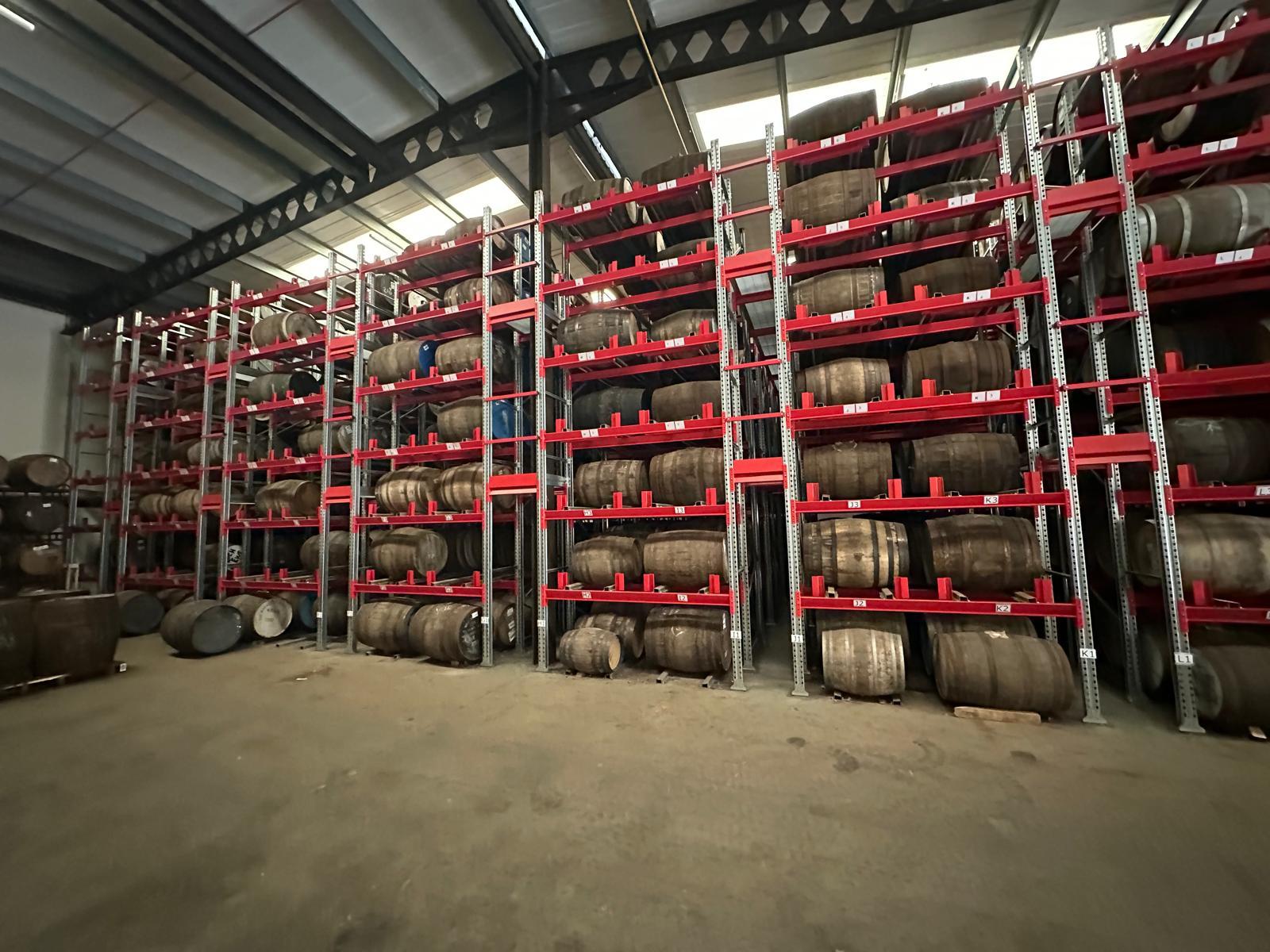
Unlike a bottle of whisky sitting on a shelf, a cask is a live asset stored in a bonded warehouse under HMRC regulations. It requires professional storage, accurate warehouse records and formal ownership documentation throughout its lifetime.
As a result, there are genuine operating costs attached to ownership.
Some fees are ongoing, such as storage and insurance. Others only arise when ownership changes or additional services are requested.
Rather than focusing solely on the purchase price, experienced buyers ask a more important question:
What will this cask cost me to own over the next five or ten years?
That provides a far clearer picture of value than comparing headline prices alone.
Storage Fees
Storage is the most common ongoing cost.
Most Scotch whisky casks are stored in bonded warehouses across Scotland, where they remain under duty suspension until they're bottled or transferred.
Storage fees cover warehouse space, handling, administration and the ongoing management of your cask.
Some sellers include the first year's storage within the purchase price, while others invoice it separately. Neither approach is better or worse, provided it's made clear from the outset.
When comparing opportunities, always check:
- How long storage is included.
- When future charges begin.
- Who invoices the storage fees.
- Whether the warehouse is named.
Transparent answers make meaningful comparisons much easier.
Insurance
Insurance is often included alongside storage, although some warehouses charge it separately.
Its purpose is to provide protection against risks such as fire, leakage and other warehouse-related incidents.
However, insurance arrangements vary. Before purchasing, it's sensible to ask:
- Is insurance included?
- Who provides the cover?
- What risks are actually insured?
- Are there any exclusions?
Many buyers assume storage automatically includes comprehensive insurance, but that isn't always the case.
Warehouse Administration
Every bonded warehouse maintains ownership records and regulatory documentation.
Administration fees help cover services such as:
- Ownership records.
- Warehouse documentation.
- Stock management.
- Compliance administration.
Sometimes these costs are incorporated into storage. Sometimes they're shown separately.
If an administration fee appears unusually high, ask exactly what it covers. A reputable broker should have no difficulty explaining it.
Ownership Transfer Fees
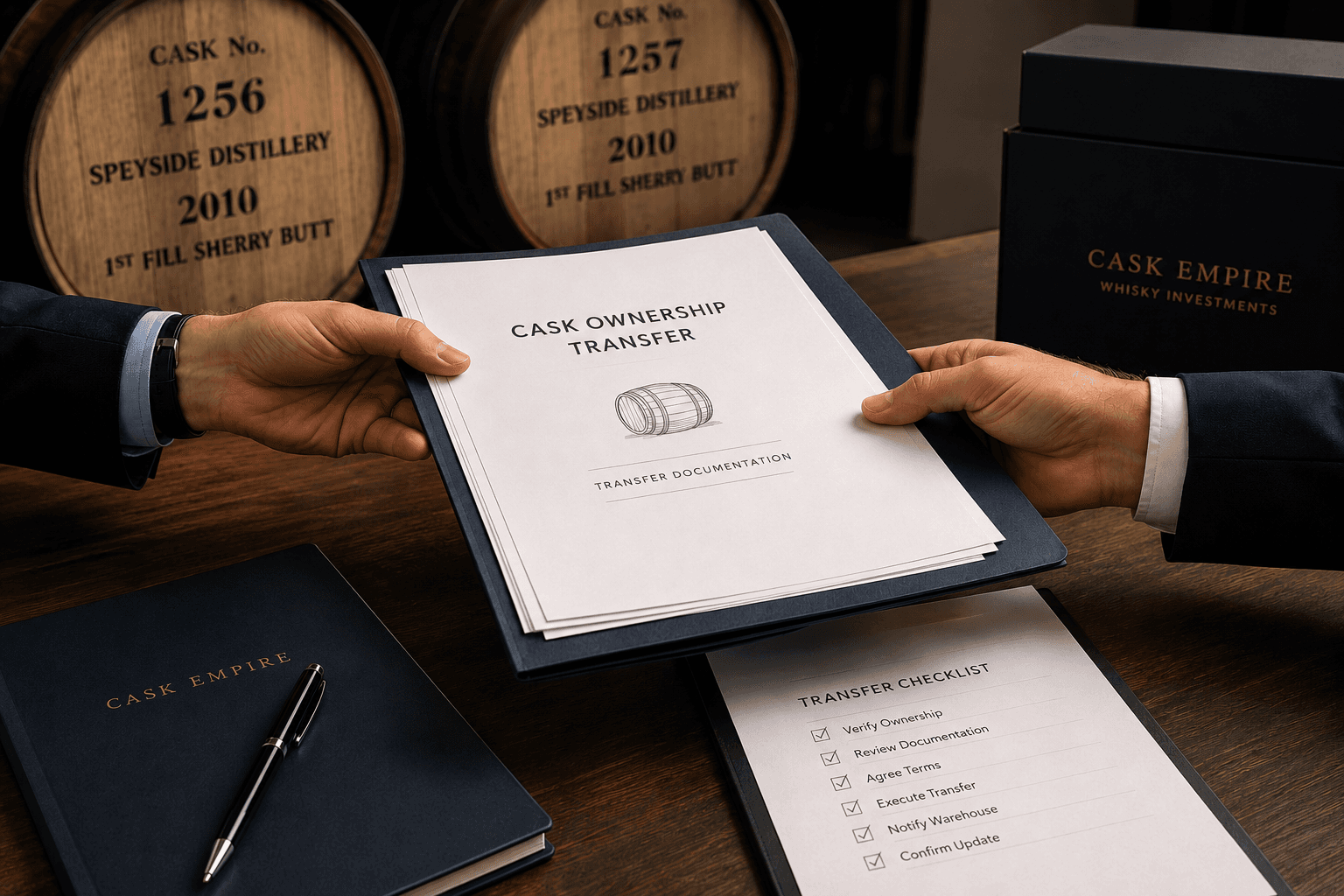
Whenever a cask changes hands, the warehouse records must normally be updated to reflect the new owner.
This process typically involves:
- Warehouse administration.
- Ownership documentation.
- Transfer processing.
- Broker or platform support.
Transfer fees are perfectly normal.
The important questions are:
- Who charges the fee?
- Is it fixed or percentage-based?
- When is it payable?
Until those costs are known, you don't have the complete acquisition price.
Regauging and Re-racking
These are not annual costs, but they're worth understanding.
A cask may occasionally require regauging to confirm its current volume and alcohol strength.
In some circumstances, particularly with older casks, the whisky may also need transferring into a replacement cask if the original wood is no longer suitable.
Neither situation should cause alarm.
They're simply part of long-term cask ownership and may or may not arise depending on the age and condition of the asset.
Costs When You Sell
Buying a cask is only half of the ownership journey.
Understanding the costs involved when you eventually sell is equally important.
Sales Commission
Most brokers and marketplaces charge commission when a cask is successfully sold.
This is usually a percentage of the final sale price and covers services such as:
- Marketing.
- Buyer sourcing.
- Document verification.
- Negotiation support.
- Transaction management.
The cheapest commission isn't always the best value.
A stronger sales platform with verified buyers and smoother execution can often produce a better overall outcome.
Listing Fees
Some marketplaces charge an upfront listing fee, while others operate entirely on commission.
Neither model is inherently better.
The real question is whether the platform provides genuine value through buyer exposure, document checks, support and efficient completion.
Bottling, Duty and VAT
If you intend to bottle your whisky rather than sell the cask in bond, additional costs will apply.
These can include:
- Excise Duty.
- VAT.
- Bottling.
- Labels.
- Packaging.
- Transportation.
These costs can materially change the economics of ownership.
This is one of the reasons many owners choose to sell their casks while they remain in bond rather than undertake a private bottling project.
Why Fees Differ Between Providers
Not every pricing structure is different because someone is hiding something.
Warehouses charge different rates.
Service providers offer different levels of support.
Some transactions include ownership transfer management, document verification and resale assistance, while others leave those responsibilities to the buyer.
However, the whisky cask market is still relatively fragmented.
Pricing isn't always standardised, which makes transparency more important than ever.
Professional sellers should clearly explain:
- What's included.
- What's charged annually.
- Which costs only arise at certain events.
- Any potential future charges.
How to Judge Whether Fees Are Reasonable
The lowest fee isn't always the best fee.
Instead, consider whether the overall structure makes commercial sense.
Request the annual holding costs in writing.
Ask about:
- Storage.
- Insurance.
- Administration.
- Ownership transfer.
- Future resale.
- Bottling, if relevant.
If the answers are vague or inconsistent, treat that as useful information.
Clear documentation and transparent pricing usually indicate a well-managed asset.
Why Transparency Matters
At Cask Empire, we believe transparency isn't simply good customer service—it's an important part of protecting the value of your investment.
Every buyer should understand the costs associated with ownership before committing to a purchase.
Knowing where your cask is stored, how ownership is recorded, what fees apply and how the resale process works creates confidence today and makes future transactions significantly smoother.
Clear documentation doesn't just reduce uncertainty—it improves liquidity when the time comes to sell.
Questions Every Buyer Should Ask
Before purchasing a whisky cask, ask:
- Is current storage included?
- How long does that cover last?
- Is insurance included?
- Which warehouse stores the cask?
- Are there ownership transfer fees?
- What costs apply when I eventually sell?
- Are there any unpaid storage or administration fees attached to this cask?
These are straightforward questions, but the answers can make a meaningful difference to both the cost of ownership and the ease of resale.
The Real Cost Isn't the Fees
Experienced buyers are rarely concerned by legitimate fees.
They're concerned by unexpected ones.
Transparent pricing allows you to compare opportunities properly, plan for long-term ownership and avoid costly surprises later.
At Cask Empire, we believe buyers should understand every aspect of ownership before they commit. That means transparent pricing, clear documentation and honest guidance throughout the process.
The best whisky cask purchases aren't always the cheapest—they're the ones backed by quality documentation, realistic ongoing costs and a clear path to a successful exit.