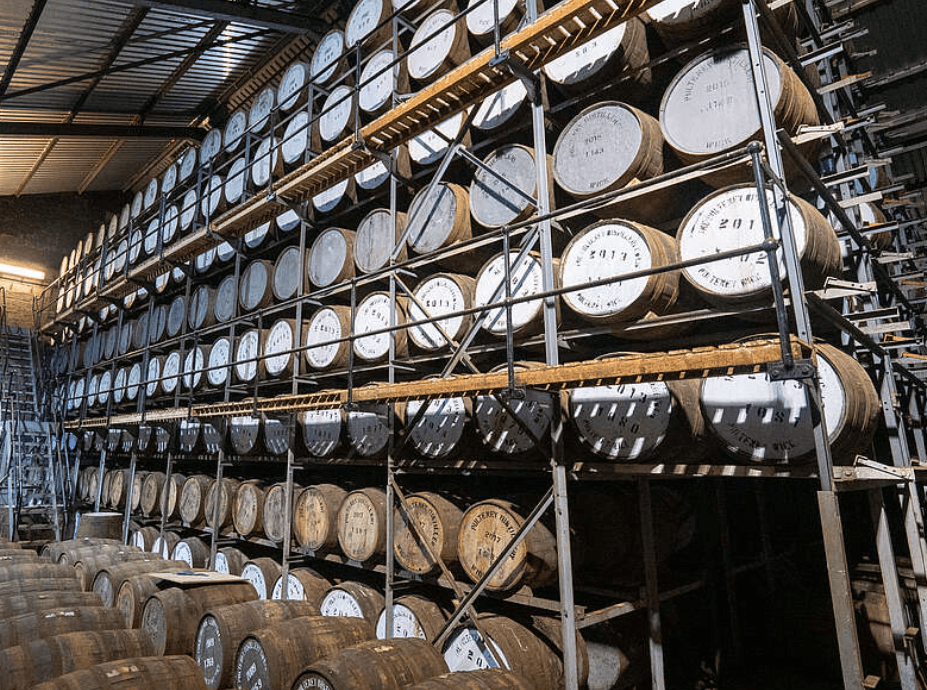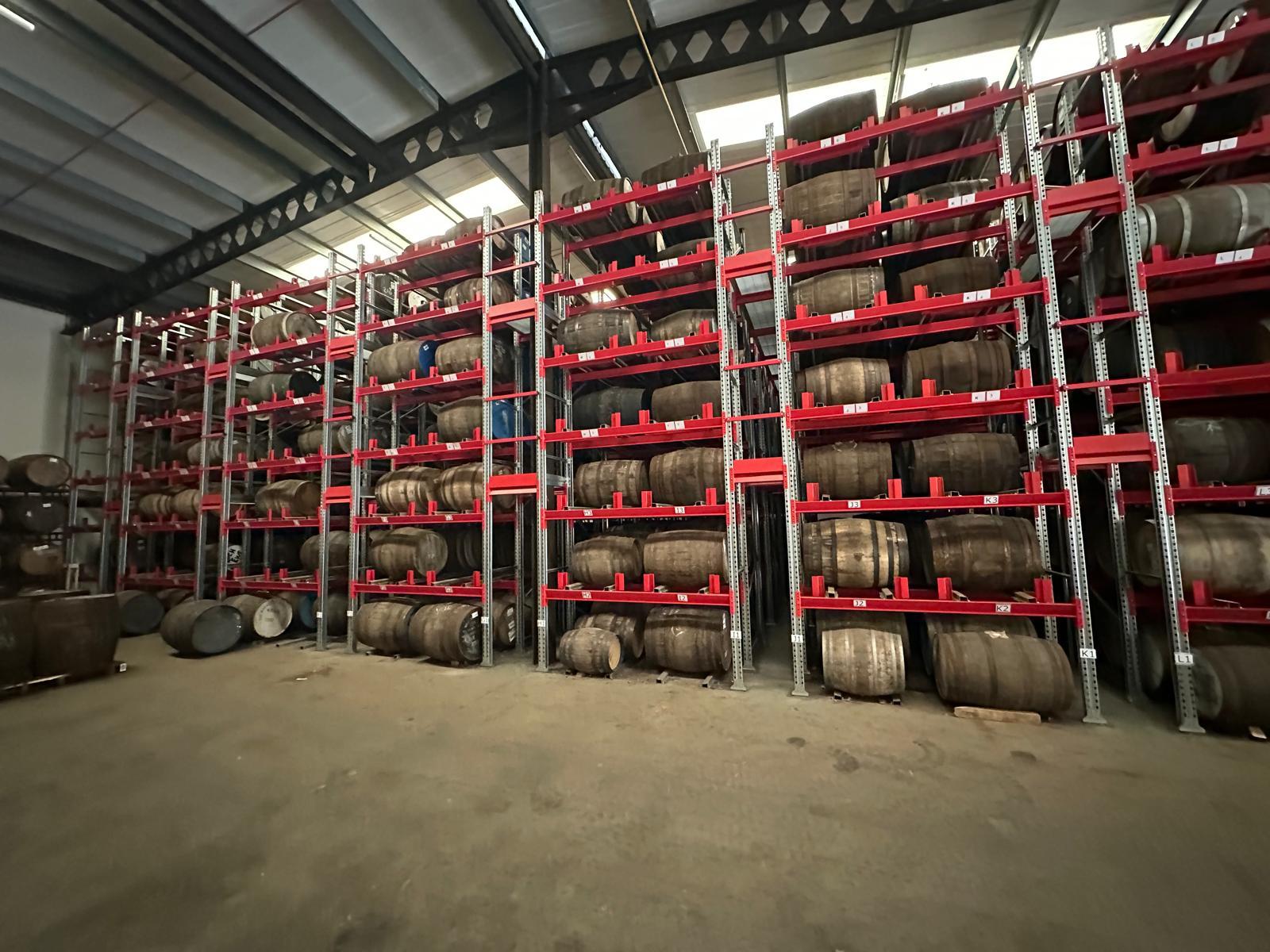
A cask can have an excellent distillery name, strong maturation potential and a compelling purchase price, yet still become difficult to manage or sell if its storage arrangements are unclear. A meaningful bonded warehouses comparison is therefore not about finding the largest building or the lowest annual fee. It is about establishing whether the warehouse gives you clear evidence of ownership, reliable stock records and a practical route to transfer or exit your cask.
For private cask owners, bonded storage is part of the asset itself. The warehouse holds the cask under duty suspension while it matures, records its movements and provides the documentation that supports a future sale, bottling instruction or ownership transfer. Those operational details deserve the same attention as the cask’s age, fill date and distillery.
Bonded warehouses comparison: what you are really comparing
Most Scotch whisky casks are stored in HMRC-approved bonded warehouses. This means duty is generally not payable while the whisky remains in bond, subject to the applicable rules and the warehouse’s procedures. That shared regulatory setting can make facilities appear interchangeable. They are not.
The practical distinction is usually found in the quality of administration. A warehouse may be highly competent at storing stock for a large producer but less set up to handle frequent private-owner enquiries, ownership changes or sales involving overseas buyers. Another may have strong systems for private casks, but charge more for transfers, regauging, samples or release instructions.
Your comparison should centre on four connected questions. Can the warehouse identify your cask precisely? Can it demonstrate who has authority to instruct it? Will it provide timely, intelligible records? And can it process a legitimate transfer without creating avoidable friction? Security matters, but paperwork and process often determine whether a sale proceeds smoothly.
Ownership records and warehouse documentation
Start with the document trail. A warehouse receipt, certificate or account statement should identify the cask using details that can be checked against warehouse records: distillery, cask type, cask number, fill date, litres of alcohol, alcoholic strength and the account in which it is held. The format varies between operators, but the purpose should be consistent - to create a clear, traceable connection between the cask and its beneficial owner.
Ask whether the warehouse can acknowledge an ownership change following a sale, and what evidence it requires. In many transactions, the seller’s authority, the buyer’s identity and a signed transfer instruction will be needed before the warehouse updates its records. A broker’s invoice alone may not be enough. If documentation is vague, issued by an intermediary rather than the warehouse, or cannot be reconciled with the warehouse account, treat that as a point requiring further verification.
For a buyer, the relevant question is not simply whether a certificate exists. It is whether the certificate reflects a live warehouse record and whether the stated owner has the right to sell. For a seller, clean records reduce questions from buyers and improve confidence during due diligence.
Stock control, condition and cask data
A bonded warehouse is not an investment manager, and it cannot promise future value. It should, however, maintain accurate stock control and support the information needed to understand what you own. This includes the cask’s recorded volume, strength, location and movement history where applicable.
Whisky changes in cask. Evaporation, changes in alcoholic strength and maturation affect the eventual quantity and character of the spirit. A warehouse that can arrange regauging and samples through an established process gives owners a more credible basis for deciding whether to keep maturing, market the cask or bottle it. These services are often chargeable, and the costs should be clear before you commit.
Do not confuse a warehouse record with an independent valuation. The former confirms operational data; the latter is a view on market value. Both are useful, but they answer different questions. In a strong transaction process, the physical and administrative facts are verified first, then pricing is considered in light of age, distillery, cask type, liquid data and current buyer demand.
Security and insurance responsibilities
Secure premises, controlled access and appropriate fire protection are baseline considerations. Yet private owners should look beyond broad statements that stock is secure. Ask what insurance applies to the cask while it is stored, who arranges it, what events are covered and whether the declared value needs to be updated periodically.
Warehouse insurance arrangements can differ materially. Some storage charges may include a level of cover, while others require the owner or account holder to arrange separate insurance. Excesses, exclusions and valuation limits may also apply. It is sensible to obtain the position in writing rather than relying on an assumption made at the point of purchase.
Security is also administrative. A facility with disciplined instruction controls is less likely to act on an unauthorised request. Understand who may authorise samples, reracking, bottling, delivery or transfer, particularly where a cask is held through a company, trust, family arrangement or portfolio manager.
Fees that affect the true holding cost
A low headline storage rate can obscure a more expensive overall arrangement. Annual storage is only one line in the cost of holding a cask. Depending on the warehouse and the transaction, owners may also face charges for account administration, ownership transfer, stock checks, samples, regauging, reracking, bottling preparation, release and paperwork.
A useful comparison requests a current fee schedule and tests it against your likely plans. An owner intending to hold a cask quietly for ten years will prioritise recurring storage and insurance costs. An owner considering a near-term resale should focus on transfer charges, document turnaround times and whether the warehouse supports the buyer’s proposed account structure.
Be particularly careful with vague phrases such as handling fees or administration as required. They are not necessarily unreasonable, but they should be defined. Transparent charges allow you to calculate an expected holding cost and avoid a dispute when you come to sell.
Access, responsiveness and exit support
Owners do not need unrestricted access to a bonded warehouse, and most facilities operate sensible controls around visits. What matters is whether the operator has a workable process for owners who need information, samples or transaction support. A warehouse that responds promptly to legitimate requests can make a considerable difference when a buyer is waiting for verification.
Consider the likely exit before you buy. If you sell the cask to another private owner, can the warehouse transfer it internally? If the buyer wants it moved to another bonded warehouse, what authorisations, lead times and removal costs apply? If you later choose to bottle, does the facility work with bottlers and can it release stock against the correct duty and excise procedures?
For international owners, communication and document handling become even more significant. A buyer in Singapore, Hong Kong or the United States may never visit the warehouse, so they will rely on credible records, properly managed payment and a clear transfer sequence. The physical cask remains in Scotland, but confidence in the transaction travels through the paperwork.
A bonded warehouses comparison checklist before purchase
Before funds are released, request the warehouse name and address, confirmation of the cask’s identifying details, a copy of the relevant warehouse document, current storage and service fees, and the stated ownership-transfer procedure. Confirm whether the cask is held in a recognised account arrangement and who is authorised to issue instructions.
Then test the answers against the proposed transaction. If a seller cannot explain where the cask is held, how it will be transferred or what fees will arise, the issue may be administrative rather than malicious. Even so, unresolved administration can delay a sale and weaken liquidity. A professional facilitator can help coordinate verification, payment and the change of warehouse records so that each party understands when ownership has passed.
Cask Empire approaches warehouse coordination as a core part of transaction support, not an afterthought. For buyers and sellers, this means the focus remains on evidence, instruction authority and a documented path from agreed sale to updated ownership records.
Choosing the right fit, not the cheapest warehouse
There is no single best bonded warehouse for every cask owner. A collector with several casks and a long holding horizon may value consolidated reporting and predictable annual costs. A first-time buyer may place greater value on responsive guidance and a clearly documented transfer process. An owner preparing to sell may accept a slightly higher fee structure in return for efficient administration that helps a buyer complete due diligence.
The best decision is usually the one that makes future choices easier. Choose storage arrangements that leave a clean trail of ownership, provide understandable data about the cask and allow legitimate instructions to be processed without uncertainty. Years from now, when you decide whether to hold, sell or bottle, that clarity may be as valuable as the whisky in the wood.