For years, buying a whisky cask was the easy part. Selling it was another matter entirely. In 2026, that's changing, and the secondary market is fast becoming one of the most significant developments reshaping the entire industry.
A new kind of market
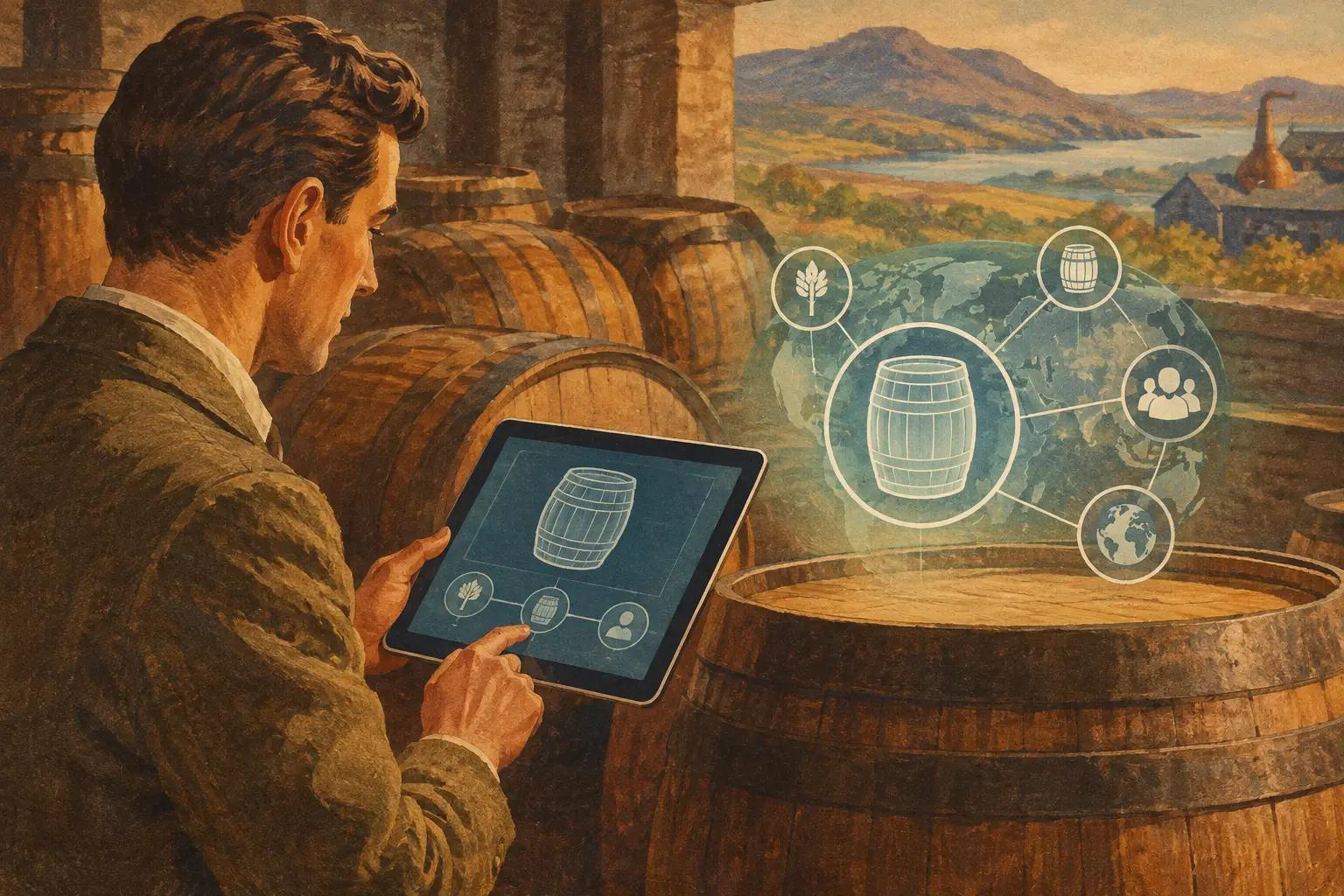
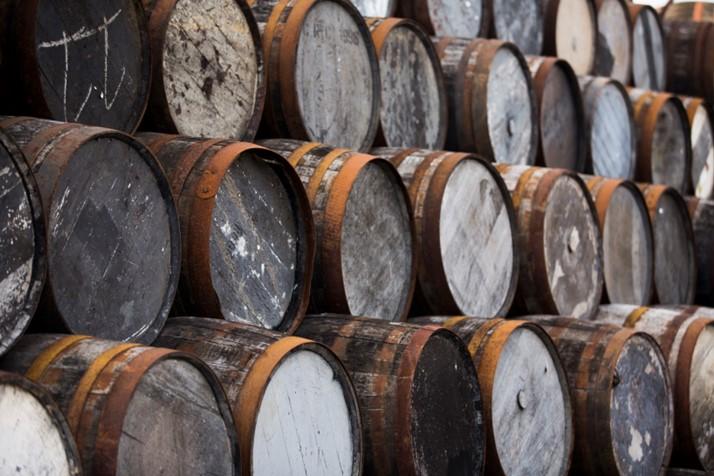
The secondary market for whisky casks refers to the buying and selling of casks between private owners, bypassing the distillery entirely. Rather than acquiring new fill direct from a producer, buyers are now seeking out part-aged casks, mature stock, and previously owned assets from individuals looking to exit their positions. It's a dynamic that has quietly been building for years, and it's now reaching a tipping point.
Why now?
Firstly, the sheer volume of private owners, as over the past ten to fifteen years, thousands of individuals entered the cask market, and many of them are now hitting natural decision points, having held their casks for five to ten years, creating supply. Secondly, market conditions have matured and buyers today are more selective and pricing is more realistic; older casks are no longer automatically viewed as the most desirable. Sellers are responding accordingly, choosing to exit rather than hold indefinitely. Third, and perhaps most importantly, demand for aged stock is intensifying. New buyers increasingly want casks with proven age, shorter remaining holding periods, and reduced risk compared to new fill. The secondary market answers all three.
8–10% – Typical seller fee on structured platforms
20–40% – Below-value offers in unstructured private sales
2–5 yrs – Typical exit window for secondary buyers
The liquidity problem
Historically, the biggest obstacle to cask trading hasn't been demand; it's been liquidity. Without a central marketplace, limited buyer access, and no clear pricing benchmarks, a cask valued at £8,000 might take months or even years to sell. Owners frequently received offers twenty to forty percent below expected value, simply because they lacked the tools or connections to reach the right buyers. This has been the defining frustration of cask ownership, and it's the problem the emerging secondary market is working hard to solve.
"What was once a long-term, illiquid asset is becoming more transparent, more accessible, and more dynamic."
The rise of structured platforms
To address the liquidity gap, a new generation of structured marketplaces is taking shape. Like Cask Empire, these platforms verify cask documentation before listing, provide valuation ranges, connect sellers with active buyers, and manage the negotiation process end to end. Sellers typically pay fees in the region of eight to ten percent, a meaningful cost, but one that delivers significantly faster sales than private arrangements. The underlying goal is straightforward: to transform whisky casks from a static, hard-to-move asset into something genuinely tradable.
What this means for owners
For those who already own casks, the growth of the secondary market is broadly good news. More potential buyers, clearer pricing benchmarks, and structured exit routes are all emerging. But it cuts both ways. Buyers are better informed than ever, which means overpriced casks are quickly overlooked. Documentation matters more than it once did, and so does presentation. The market is maturing, and it rewards those who engage with it seriously.
Exit strategy first
Perhaps the most telling shift is a change in mindset. The conventional approach of buying a cask, holding it, and figure out the exit later is giving way to something more considered. Smart participants now think about resale value before they buy, focus on distilleries with proven secondary demand, and track market appetite as part of their ongoing strategy. For example a well-positioned cask might be in a position to increase it’s value; however a poorly positioned one may struggle to find a buyer at £4,000. The secondary market rewards quality thinking from the outset about what the future potential of a cask might look like.
The growth of the secondary market is ultimately a sign of an industry coming of age, creating genuine exit routes for sellers, more accessible entry points for buyers, and a healthier, more balanced ecosystem for everyone involved. The cask market is evolving, and those who understand the secondary market will be best placed to move with it.