How to Buy a Whisky Cask Without Making Expensive Mistakes
On the surface, buying a whisky cask sounds simple. Find a distillery you like, agree a price, complete the paperwork and wait.
In reality, there is a lot more to it.
Over the years, I've seen buyers focus entirely on the whisky itself while overlooking the things that matter most: ownership, documentation, storage, valuation and, perhaps most importantly, how they will eventually sell the cask.
A great cask with poor paperwork can be harder to sell than an average cask with a clean ownership history.
If you're researching how to buy a whisky cask, the goal isn't simply finding stock. The goal is acquiring a cask that you can verify, manage and eventually exit with confidence.
Start With Your Objective
Before looking at distilleries, decide why you're buying.
Some buyers are passionate whisky enthusiasts who want to own a cask from a favourite distillery.
Others are looking for a tangible asset that sits outside traditional investments.
Some are interested in future bottling opportunities, while others simply want exposure to the secondary cask market.
There is no right or wrong reason to buy a cask. The mistake is buying without a clear objective.
Your reason for buying will influence:
- Budget
- Distillery selection
- Cask type
- Holding period
- Exit strategy
A buyer planning to hold for five years will often make different decisions from someone hoping to bottle or sell within twelve months.
Understand What You're Actually Buying
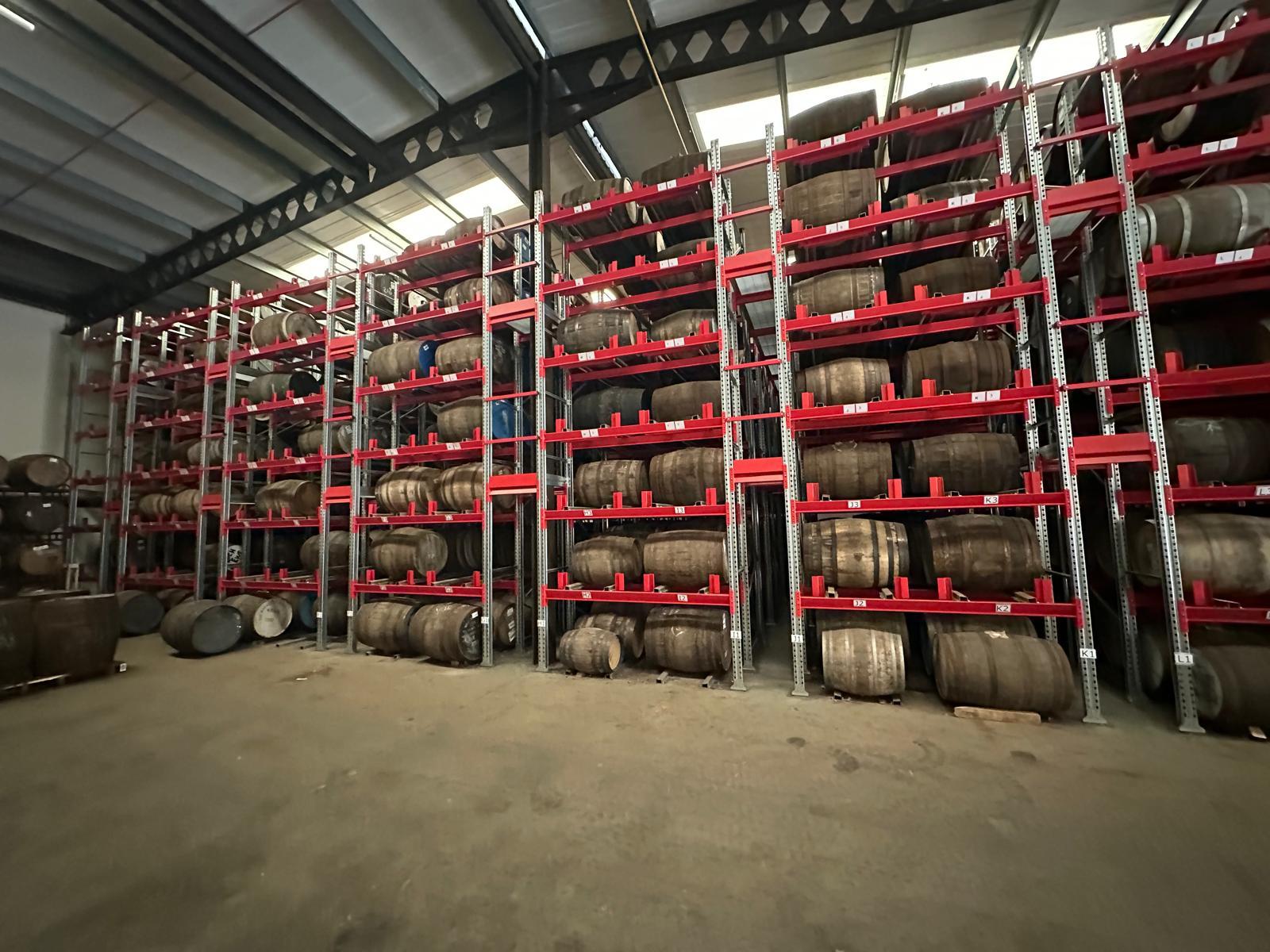
One of the biggest misconceptions in the market is that you're buying a physical barrel sitting in a warehouse somewhere.
In reality, what you're purchasing is legal title to maturing spirit held in a bonded warehouse.
That distinction matters.
Before purchasing any cask, you should understand:
- The distillery
- Filling date
- Cask type
- Current regauge
- Alcohol strength (ABV)
- Warehouse location
- Ownership history
- Whether the cask has been reracked or moved
These details influence both value and future marketability.
Two casks from the same distillery can have vastly different resale prospects depending on their age, condition, paperwork and warehouse records.
Documentation Is Everything
If there's one lesson I've learned from working with private cask owners, it's this:
The paperwork is often more important than the sales pitch.
Before buying, you should be comfortable reviewing:
- Delivery Orders
- Regauge reports
- Warehouse confirmations
- Ownership records
- Transfer documentation
Ask yourself a simple question:
Can the seller prove they own the cask and have the right to sell it?
If the answer isn't crystal clear, walk away.
A discounted price doesn't compensate for ownership disputes or incomplete documentation.
Think About Selling Before You Buy
Most buyers spend far more time thinking about acquisition than liquidity.
That's backwards.
The easiest time to think about your exit strategy is before you've spent a penny.
Ask yourself:
- Who would buy this cask in the future?
- Is there an active secondary market?
- Is the distillery recognised?
- Are the records complete?
- Will the cask appeal to private buyers, bottlers or collectors?
A cask that's easy to explain is usually easier to sell.
That's why many experienced buyers favour casks from recognised distilleries with strong documentation and transparent valuation histories.
Don't Ignore Ongoing Costs
The purchase price is only part of the equation.
Most casks will incur ongoing costs such as:
- Bonded warehouse storage
- Regauges
- Sampling
- Transfer fees
- Administration charges
These costs are normally modest, but they should be factored into your overall ownership plan.
Owning a cask is not a "buy it and forget it" exercise.
The best outcomes usually come from regular oversight and good record keeping.
Final Thoughts
A whisky cask can be a fascinating asset to own, but enthusiasm should never replace due diligence.
Focus on documentation, transparency and liquidity.
Understand exactly what you're buying, where it's stored and how ownership will be transferred.
Most importantly, buy the cask you can explain — not just the one you can afford.
At Cask Empire, we built the platform around that principle. Verified documentation, transparent valuations and a clear route to liquidity help buyers make informed decisions from day one.
This version feels much closer to your LinkedIn posts, website copy and sales conversations: less corporate, more experienced owner/operator who has actually handled cask transactions.