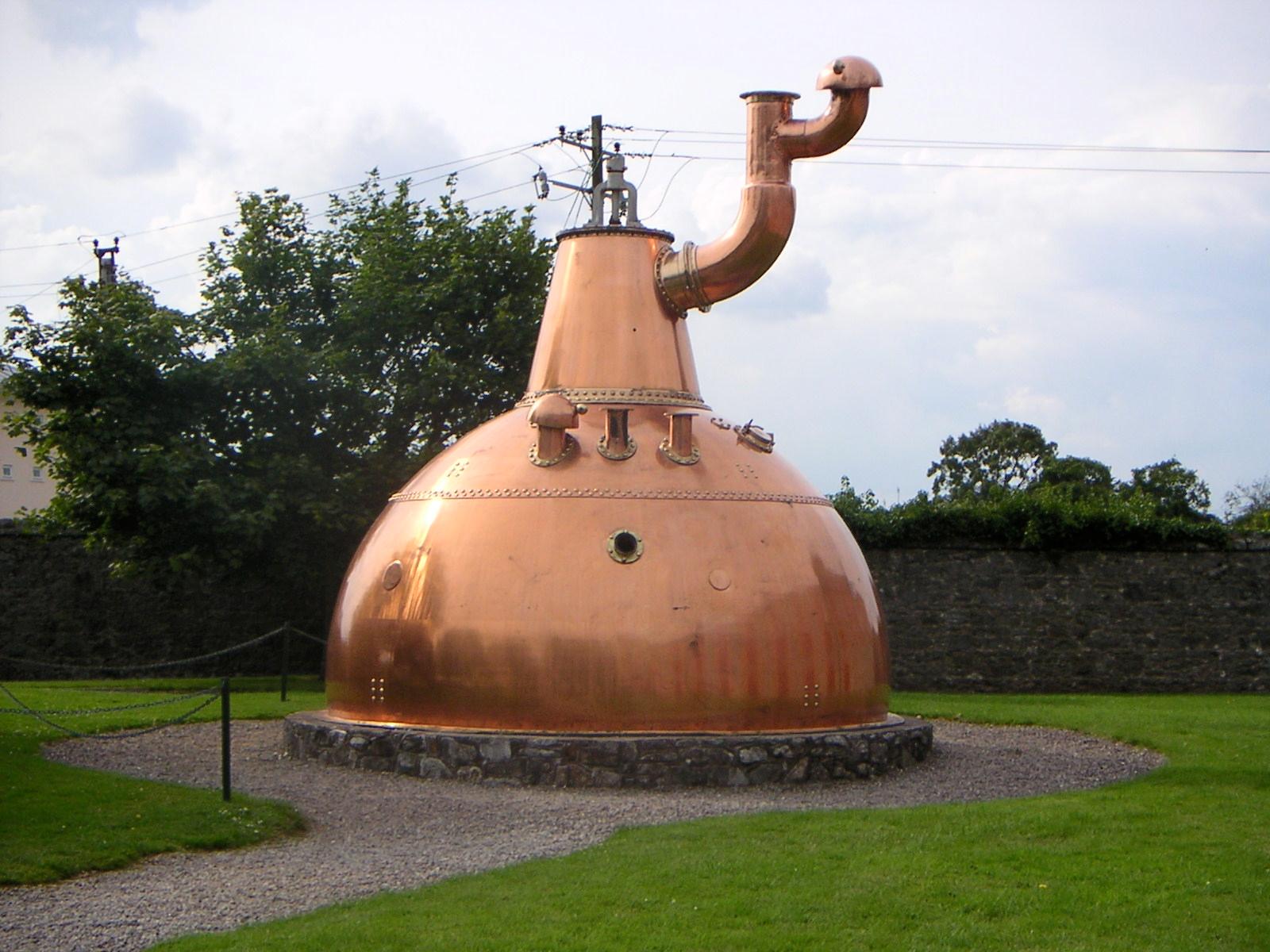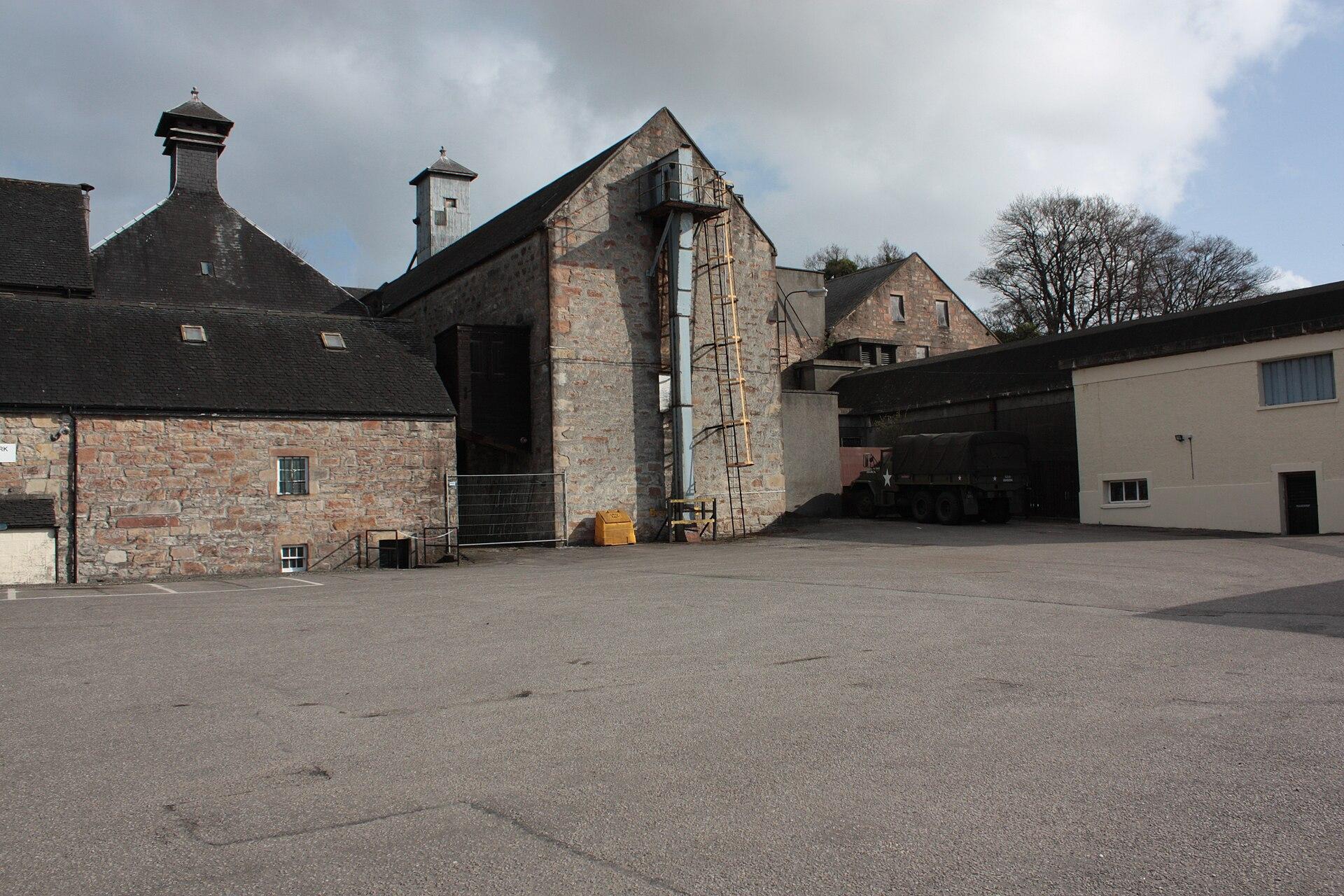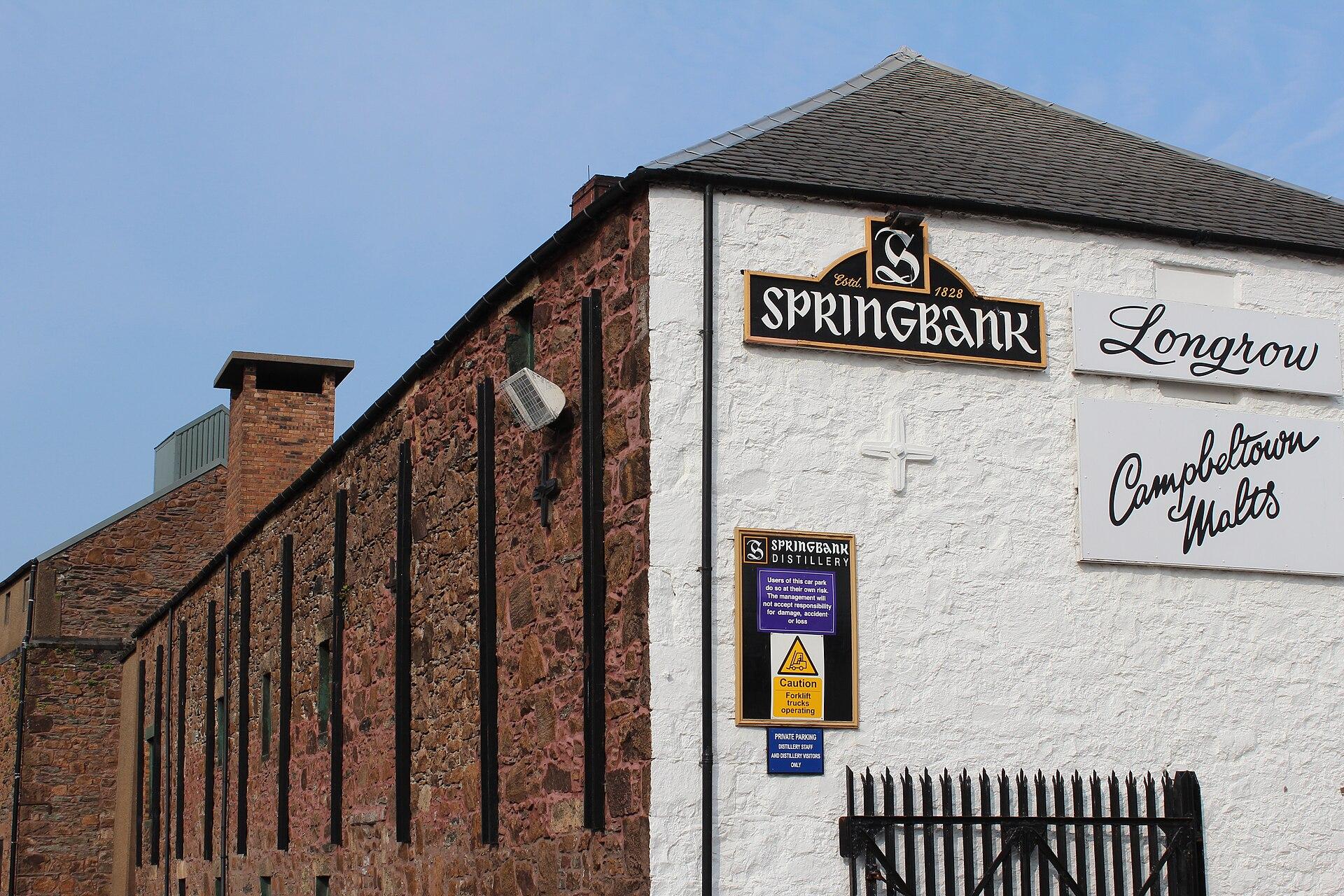
Founded: 1828
Region: Campbeltown, Scotland
Whisky Style: Lightly peated, complex and maritime
Known For: Traditional production, distinctive single malts and strong enthusiast demand
A Distillery That Refuses to Follow the Crowd
In an industry increasingly influenced by global brands, large production facilities and international expansion, Springbank has maintained a remarkably traditional approach to whisky making.
Founded in 1828, Springbank is one of Scotland's most respected independent distilleries.
Located in Campbeltown, a region once regarded as one of the great centres of Scotch whisky production, Springbank has helped preserve the area's historic reputation.
Unlike many modern distilleries, Springbank carries out the entire production process at its own site, including traditional floor malting.
This commitment to traditional methods has helped develop an exceptionally loyal following among whisky enthusiasts.
Three Whiskies, One Distillery
One of Springbank's most interesting characteristics is that it produces three distinct single malt whiskies.
Springbank
The distillery's flagship whisky is lightly peated and produced using an unusual two-and-a-half-times distillation process.
It is known for its complexity, oily texture and maritime characteristics.
Longrow
Longrow is the distillery's heavily peated expression.
Produced using double distillation, it offers a smokier flavour profile than the traditional Springbank style.
Hazelburn
Hazelburn is unpeated and triple distilled.
It generally offers a lighter, more delicate profile than its two counterparts.
Producing three distinctive whiskies within one distillery demonstrates Springbank's versatility and commitment to traditional whisky making.
Why Is Springbank So Popular?
Springbank has developed a particularly strong following among enthusiasts who value authenticity and traditional production.
Several characteristics contribute to its reputation.
Traditional methods: Springbank maintains production practices that have disappeared from many modern distilleries.
Independent ownership: The distillery remains associated with the Mitchell family through J&A Mitchell & Co.
Distinctive character: Its whiskies offer a flavour profile that differs from many mainstream Scotch brands.
Limited availability: Certain releases attract significant attention because supply can be constrained relative to demand.
Campbeltown heritage: Springbank plays an important role in preserving one of Scotland's historic whisky regions.
Together, these characteristics have made Springbank a highly discussed name within the enthusiast and collectors' markets.
The Relationship Between Scarcity and Value
Scarcity can be an important factor in whisky pricing.
When demand exceeds the available supply of a particular release, buyers may be prepared to pay a premium.
Springbank provides an interesting example of how limited availability and strong consumer loyalty can influence the secondary market.
However, scarcity alone does not guarantee that prices will continue rising.
Market conditions change, consumer preferences evolve and the premiums paid for collectible bottles can fluctuate significantly.
For investors, it is important to distinguish between genuine long-term demand and temporary speculative activity.
Are Springbank Casks a Good Investment?
Springbank's reputation makes it an interesting distillery to examine from a cask ownership perspective.
However, genuine Springbank casks can be difficult to source through the private market.
Investors should approach any opportunity with particular attention to provenance and ownership documentation.
Before purchasing, it is important to establish:
- Whether the cask genuinely contains Springbank spirit.
- Whether ownership can legally and contractually be transferred.
- Whether the warehouse recognises the buyer's ownership.
- Whether restrictions apply to future resale or bottling.
- Whether the purchase price reflects realistic market demand.
A distillery's reputation cannot compensate for incomplete paperwork or an unrealistic purchase valuation.
The Cask Empire Perspective
At Cask Empire, we believe Springbank offers an excellent example of how reputation is built over generations.
The distillery has maintained a clear identity while much of the Scotch whisky industry has modernised and expanded.
Its popularity also demonstrates the importance of supply and demand when assessing whisky valuations.
However, strong demand for bottled Springbank does not automatically make every privately offered Springbank cask a good investment.
For us, the fundamentals remain unchanged.
Purchase price, provenance, cask quality and a realistic exit strategy should always come before speculation.
An investor purchasing any whisky cask should understand how much they are paying today and who might realistically purchase that asset in the future.
Final Thoughts
Springbank represents an important part of Scotland's whisky heritage.
Its traditional production methods, independent identity and commitment to Campbeltown have established it as one of the industry's most respected distilleries.
For whisky enthusiasts, it offers a connection to a more traditional approach to Scotch whisky production.
For potential cask investors, it provides an interesting case study in the relationship between reputation, scarcity and market demand.
Interested in buying or selling a Springbank whisky cask?
Contact Cask Empire to discuss whisky cask valuations, market conditions and potential selling opportunities.
Whisky casks are illiquid assets, and their market value can decrease. There is no guarantee of finding a buyer or achieving a profit.