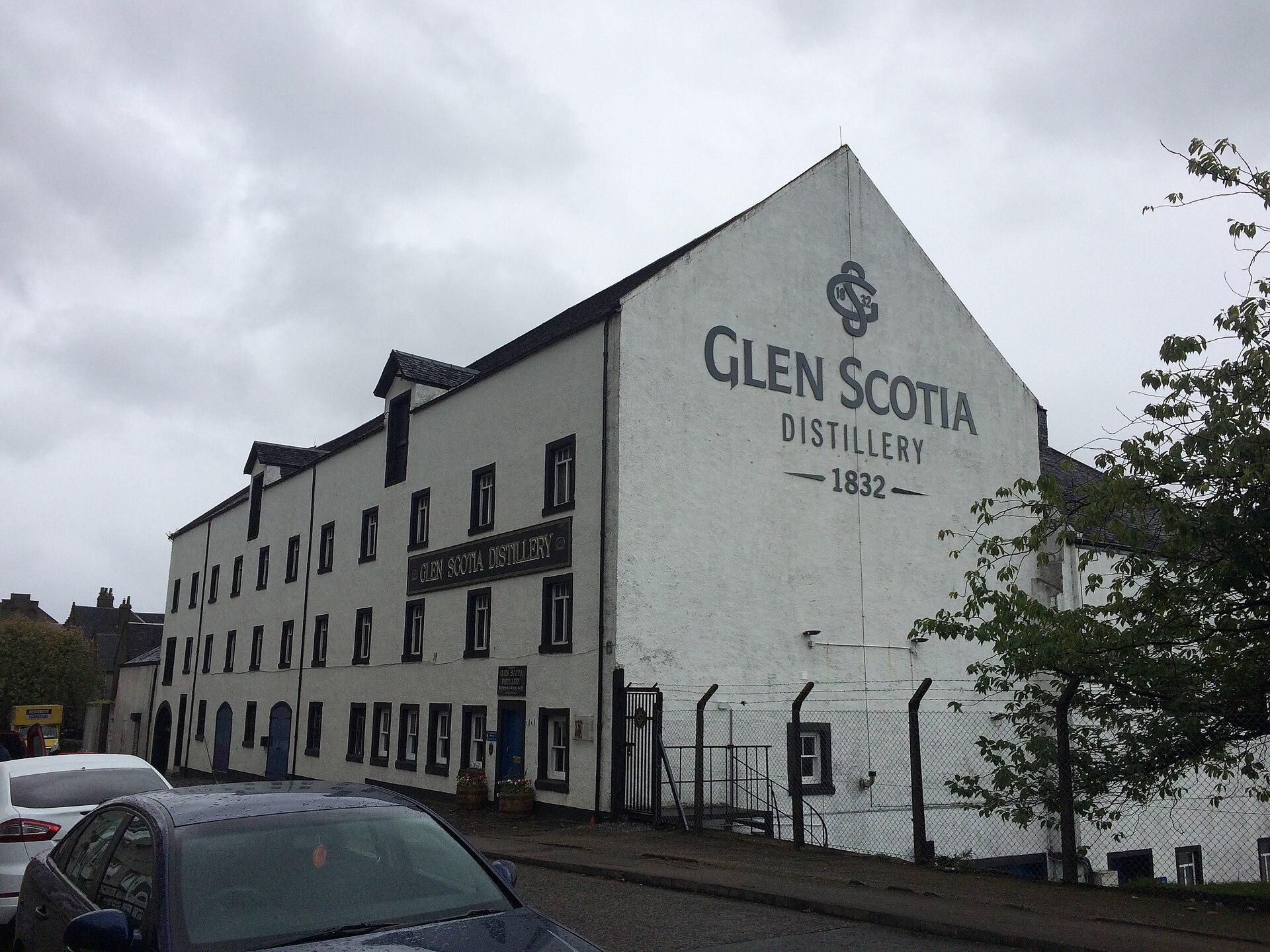
Founded: 1832
Region: Campbeltown, Scotland
Whisky Style: Maritime, fruity and occasionally smoky
Known For: Campbeltown heritage, traditional character and award-winning single malts
A Distillery That Survived the Decline of Campbeltown
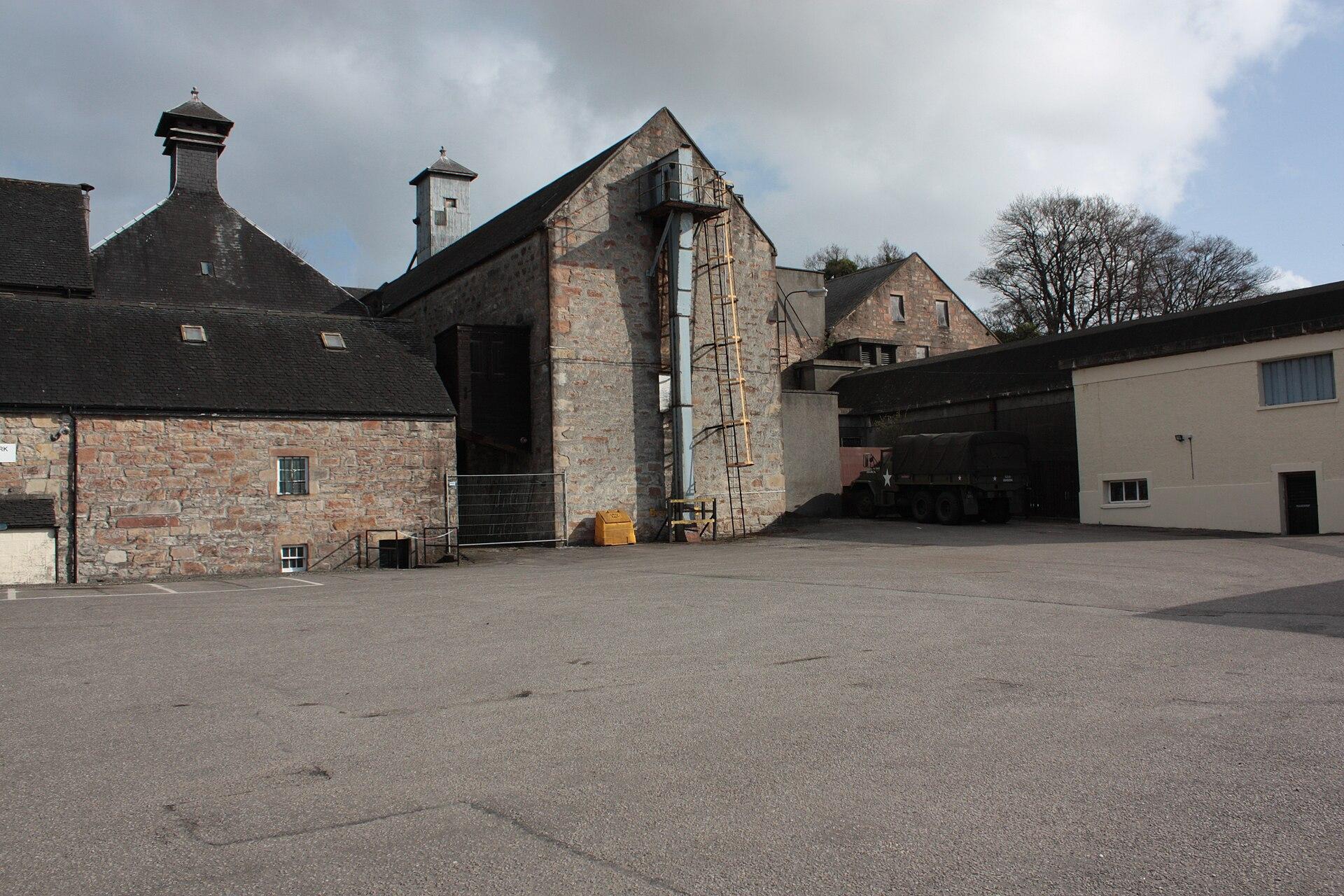
Founded in 1832, Glen Scotia is one of Scotland's historic single malt distilleries. Located in Campbeltown on the Kintyre Peninsula, it has witnessed major changes in Scotch whisky.
During the nineteenth century, Campbeltown was a major whisky-producing region, at one point supporting more than 30 distilleries. Economic pressures, shifting consumer tastes and industry consolidation eventually closed nearly all of them. Glen Scotia survived.
Today, it is one of Campbeltown's three long-established operating distilleries, alongside Springbank and Glengyle, and helps preserve the region's whisky heritage.
What Makes Glen Scotia Special?
Glen Scotia produces a distinctive single malt style, often combining fruit-forward character with subtle maritime influences. Depending on the expression, tasting notes can include sea salt, vanilla, caramel, orchard fruits, honey, oak, gentle smoke and warming spices.
Its recognised releases include Double Cask, 15 Year Old and Victoriana, illustrating the influence of different maturation and cask-selection approaches.
The Campbeltown Revival
Campbeltown has enjoyed renewed attention among enthusiasts and collectors. While Speyside and Islay remain internationally famous, Campbeltown offers history, individual character and a relatively concentrated distilling scene.
Glen Scotia is an important part of that story. Nonetheless, renewed interest in a region does not automatically produce higher cask prices: demand must be assessed at the level of the individual distillery and cask.
The Role of Maturation
Glen Scotia uses various cask types across its range. Ex-bourbon casks can add vanilla, sweetness and oak; finishing in other casks may add complexity.
As whisky matures, its flavour changes and some liquid evaporates, known as the angel's share. Remaining volume and alcoholic strength therefore matter in valuation. More years in a warehouse do not automatically mean more profit.
Are Glen Scotia Casks a Good Investment?
Glen Scotia offers nearly two centuries of history, Campbeltown identity, an established product range and appeal to buyers interested in names beyond the largest luxury brands.
Cask investors should still assess acquisition price, age, remaining litres of alcohol, warehouse charges, ownership documentation and potential resale demand. A realistic exit at a price that covers the initial investment and associated costs is essential.
The Cask Empire Perspective
At Cask Empire, we believe Glen Scotia shows why investors should look beyond the most famous names. A distillery's regional heritage may matter, but reputation alone should not determine an acquisition.
Investors must distinguish speculative projected valuations from evidence of genuine resale demand. Ultimately, a whisky cask is worth what a buyer is willing to pay.
Final Thoughts
Glen Scotia is one of Scotch whisky's survival stories. Its traditional character and Campbeltown heritage make it worth exploring, while its cask market underlines the importance of valuation and careful selection.
Interested in buying or selling a Glen Scotia whisky cask?
Contact Cask Empire to discuss valuations, market conditions and possible resale routes.
Whisky casks are illiquid assets and should not be purchased without understanding the associated financial risks.