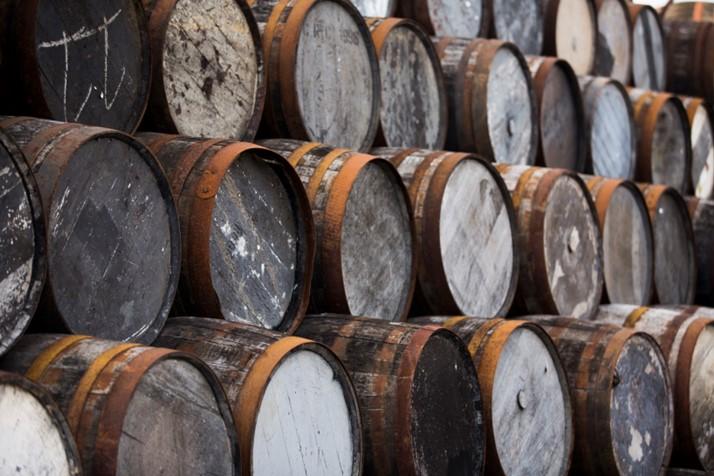
A limited number of casks does not automatically make a compelling purchase. Scotch cask supply is shaped by production decisions made years ago, warehouse movements, private ownership, bottler demand and the practical reality that every cask matures differently. For buyers, the question is not simply whether a cask is scarce. It is whether the available stock is verifiable, appropriately priced and capable of being resold through a credible process.
That distinction matters because a Scotch whisky cask is both a physical asset and an operational commitment. Its identity, location, bulk litres, alcohol strength, ownership record and storage arrangements all affect what can realistically be sold later. Understanding supply is therefore one of the most useful ways to assess value before money changes hands.
What determines Scotch cask supply?
There is no single inventory figure for the Scotch cask market. Supply is fragmented across distillery-owned stock, independent bottlers, brokers, private collectors and portfolios held in bonded warehouses. Some casks are available because they were filled for private sale. Others become available when an owner changes strategy, needs liquidity or reaches a preferred age statement.
New-make supply begins at the distillery. A distillery may reserve most production for its own future releases, offer limited private cask programmes, or allocate stock to selected trade partners. Production volumes, brand strategy and capacity constraints all influence how much stock ever enters the private market. A well-known distillery can produce a large volume of spirit while making very little directly accessible to private buyers.
Mature stock follows a different pattern. As casks age, some are bottled by their owners, some are retained, and some are offered for sale. This creates an uneven secondary market. A buyer might find several casks from one distillery at a similar age, then see no comparable stock for months. The apparent supply can also change quickly when a portfolio is released for sale.
Cask type adds another layer. First-fill sherry butts, bourbon barrels, hogsheads and refill wood each influence maturation, expected outturn and buyer preference. They are not interchangeable simply because the spirit came from the same distillery in the same year. A mature cask in active wood may be rarer, but it may also require closer assessment of remaining maturation potential.
Supply is not the same as quality
A thin market can support strong prices, but scarcity alone is not a valuation method. Two casks with similar fill dates can differ materially in liquid volume, alcoholic strength, wood quality, warehouse history and documentation. One may be an attractive drinking whisky at the right point in its development; another may be approaching a point where further ageing adds risk rather than value.
Supply should be considered alongside demand. Established distilleries with deep collector interest, a strong independent bottling following and limited private-market availability often command more attention. Less recognised names can still offer excellent whisky and sensible entry pricing, but the resale audience may be narrower. That is a trade-off, not a fault.
Why Scotch cask supply changes over time
Whisky is produced in cycles, while demand reacts to brand perception, release activity and wider market conditions. A distillery expansion today may increase the long-term pool of maturing stock, but it does not create a supply of 18-year-old casks tomorrow. Conversely, a distillery closure, change in ownership or restricted private programme can make existing stock more closely watched, though none of these factors guarantees future price growth.
Supply also falls naturally through bottling. Each time an owner bottles a cask, one more whole-cask asset leaves the market. The remaining casks become older and potentially more distinctive, but they also lose volume through evaporation. In Scotland, this ongoing loss is commonly described as the angel's share. It affects the number of bottles a cask may ultimately yield and can influence the economics of a future bottling.
Warehouse logistics matter too. Casks can be regauged, reracked, moved within a warehouse estate or transferred between approved bonded facilities, subject to the relevant permissions and records. These are ordinary parts of cask management, but they need to be documented. A supply listing without a clear account of where the cask sits and who administers it leaves too much uncertainty for a high-value transaction.
Assessing Scotch cask supply before you buy
A good purchase decision starts with the individual cask, then places it in the context of comparable available and recently traded stock. Asking for broad claims about rarity is not enough. Buyers should establish exactly what is being offered and what evidence supports it.
The core information should identify the distillery, cask number, fill date, cask type, current bulk litres and alcoholic strength, as well as the bonded warehouse where the cask is held. The date of the latest regauge is particularly useful. Measurements that are several years old may not reflect the cask's current position, especially where maturation has been active.
Ownership documentation requires equal attention. A warehouse record, delivery order or equivalent ownership evidence should clearly support the seller's right to transfer the cask. The precise documentation can vary by warehouse and transaction structure, but the principle does not: the buyer needs a documented chain from seller to warehouse-recognised new owner. A sales invoice on its own is not a substitute for a completed ownership transfer.
It is also sensible to ask whether the quoted price includes storage to a stated date, transfer administration, insurance arrangements where applicable, and any commission or transaction charge. A lower headline price can become less attractive if the transfer process, bonded warehouse fees or onward management have not been made clear.
Compare like with like
Comparable pricing should be specific. A cask from the same distillery and vintage may still be a poor comparator if it differs in size, wood, strength or remaining litres. A fresh regauge, a clear warehouse record and a cask type that suits current buyer interest can justify a difference in price.
For mature casks, prospective bottling economics can provide a useful sense check. This does not mean treating the cask as a guaranteed bottling profit. Bottles involve production, labelling, duty, distribution and route-to-market decisions. It does mean considering whether the remaining litres and strength are consistent with the asking price and the cask's likely future options.
New-make casks require a longer view. Their lower age can mean a more accessible entry point, but the owner takes on more time, storage cost and uncertainty about how the spirit and wood will develop. Mature casks may offer greater character and a shorter path to bottling or resale, although they often come at a higher initial price and may carry more sensitivity to volume and strength.
Supply, liquidity and a realistic exit plan
Casks are not exchange-traded assets. A buyer cannot assume an instant sale at a published price, even where a distillery is highly sought after. Liquidity depends on having the right cask, credible records, realistic pricing and access to genuine buyers at the time of sale.
That is why an exit plan should be considered at purchase, not only when an owner wishes to sell. Will the likely route be a private cask resale, a bottling project, a transfer within a collection or continued maturation? Each option has different timing, costs and documentation requirements. The right answer depends on the cask and the owner's objectives.
Professional marketplace support can reduce avoidable friction by bringing together verified listing information, pricing context, secure payment coordination and ownership transfer management. For a seller, this can make a specialist asset easier to present to serious buyers. For a buyer, it creates a clearer path from diligence to warehouse-recognised ownership. Cask Empire is built around that practical need for visibility and control.
Risks that supply figures cannot answer
No assessment of available inventory removes the underlying risks of cask ownership. Whisky values can move in either direction, buyer preferences can change, and demand for a distillery or style may soften. Storage charges, insurance, regauges, transfer fees and eventual bottling costs can affect net outcomes over time.
There are physical risks as well. Alcohol strength can decline, volume can reduce, and a cask may need reracking or other warehouse intervention. The condition of the wood and the maturity of the spirit should inform decisions on whether to hold, sell or bottle. These decisions are best based on current data rather than a plan made at purchase years earlier.
Treat supply as a starting point for better questions, not as a shortcut to certainty. The most durable cask decisions are usually those where provenance is clear, costs are understood, ownership transfer is properly managed and the intended exit remains realistic.