Founded: 1815
Region: Islay, Scotland
Whisky Style: Heavily peated, smoky and medicinal
Known For: Distinctive flavours, traditional production methods and a loyal international following
One of Scotland's Most Distinctive Distilleries
Some whiskies are designed to appeal to everyone.
Laphroaig has never really followed that approach.
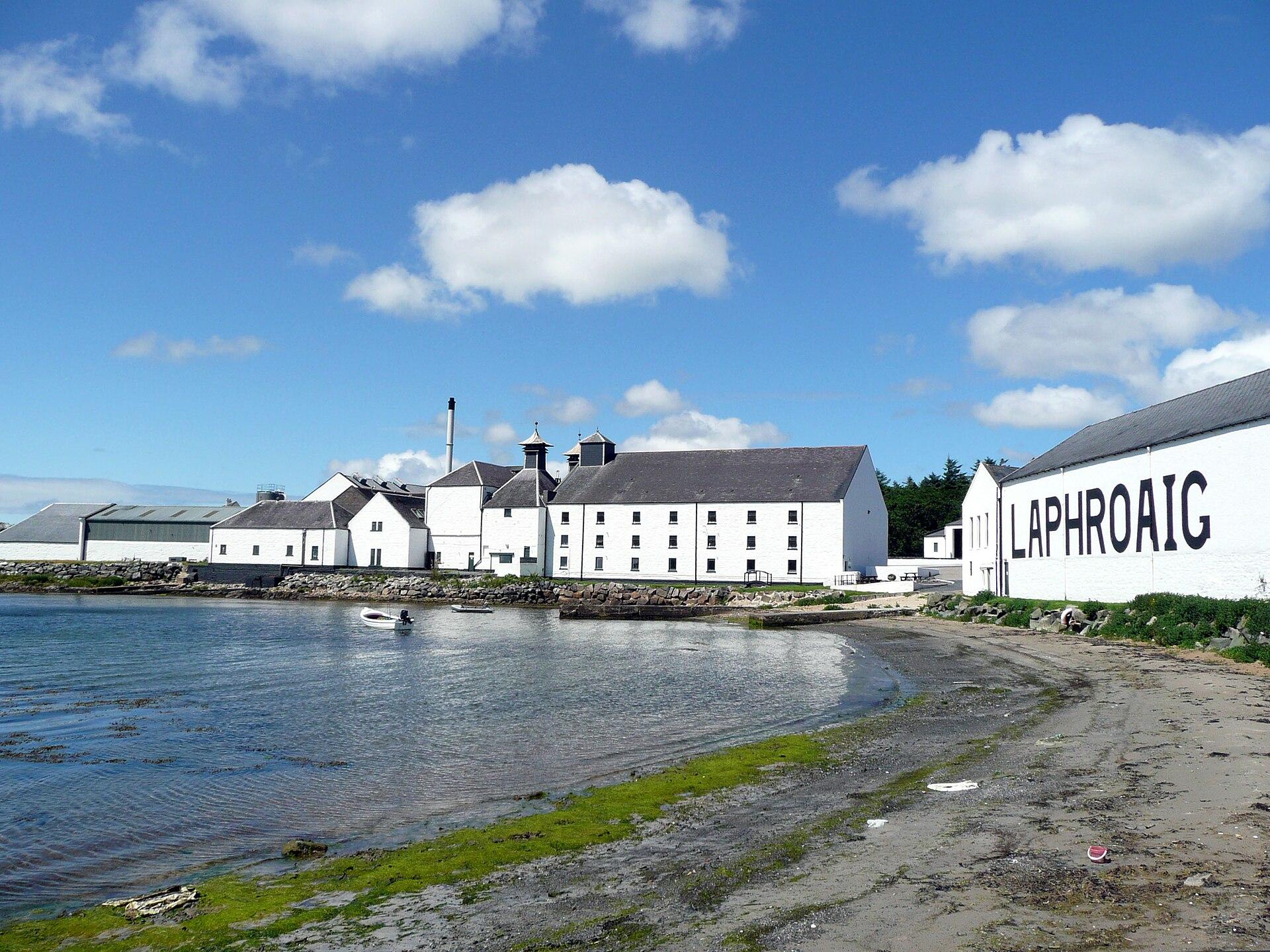
Founded in 1815 by brothers Donald and Alexander Johnston, Laphroaig sits on the southern coast of Islay, an island famous for producing some of Scotland's most distinctive single malt whiskies.
For more than 200 years, the distillery has developed a reputation for producing bold, heavily peated whisky.
Its unmistakable flavour profile has helped establish a loyal following among whisky enthusiasts around the world.
What Makes Laphroaig Different?
Laphroaig is particularly famous for its use of peat.
During the production process, peat smoke is used to dry malted barley, influencing the flavour of the spirit before distillation even begins.
The result is a whisky frequently associated with:
- Intense peat smoke
- Seaweed and coastal influences
- Medicinal and iodine-like notes
- Vanilla and oak
- Lingering smoky finishes
These characteristics distinguish Laphroaig from many of the lighter, fruitier whiskies produced elsewhere in Scotland.
Its unique flavour profile has become one of the distillery's greatest commercial strengths.
Rather than attempting to appeal to every whisky drinker, Laphroaig has built a strong identity around its unmistakable character.
The Importance of Islay
Islay occupies a special position within the Scotch whisky industry.
The island is internationally recognised for its peated single malts, with distilleries attracting enthusiasts and collectors from across the world.
Laphroaig is one of the brands that helped establish this reputation.
For whisky investors, regional identity can be an important consideration.
A distillery's history, production style and reputation all influence how its whisky is perceived by potential buyers.
However, strong consumer demand for bottled whisky does not necessarily guarantee equivalent demand for privately traded casks.
How Does Laphroaig Mature?
Like other Scotch whiskies, Laphroaig develops additional character during maturation in oak casks.
Ex-bourbon barrels have traditionally played an important role in the distillery's maturation programme, although other cask types are also used.
Over time, oak can introduce additional complexity, softening certain aspects of the spirit while adding sweetness, vanilla and woody characteristics.
The interaction between peat smoke and oak maturation is particularly interesting.
A younger Laphroaig can display intense smoky characteristics, while older expressions may develop greater complexity and integration.
However, extended maturation does not automatically produce a more valuable whisky.
Cask quality, remaining liquid volume, alcoholic strength and market demand must all be considered.
Are Laphroaig Casks Worth Investing In?
Laphroaig has several characteristics that make it worth examining within the broader whisky cask market.
Established reputation: The distillery has more than two centuries of history.
Distinctive product: Its peated style is immediately recognisable.
International following: Laphroaig has developed a loyal consumer base.
Regional significance: Islay remains one of Scotland's most recognised whisky-producing regions.
However, investors should remember that purchasing a cask is very different from purchasing a bottle.
Cask availability, contractual restrictions and potential buyers must all be investigated before committing capital.
In particular, buyers should confirm that the distillery identity and ownership rights are properly documented.
The Cask Empire Perspective
At Cask Empire, we consider regional reputation an important component of whisky cask valuation.
Laphroaig demonstrates how a distillery can build lasting recognition through a distinctive product and consistent identity.
However, the price paid for a cask remains fundamental.
Even an established Islay distillery can represent poor value if the acquisition price is significantly above the level supported by comparable market transactions.
Equally, an appropriately priced cask with verified provenance and a realistic exit route may deserve consideration.
The key is understanding the market rather than purchasing purely because of a famous distillery name.
Final Thoughts
Laphroaig has built its reputation by doing something that few other whisky producers can replicate.
Its distinctive smoky character, coastal heritage and loyal following have made it one of the most recognisable names in Scotch whisky.
For enthusiasts, Laphroaig represents the bold spirit of Islay.
For potential cask investors, it highlights the importance of brand identity, provenance and realistic market valuations.
Interested in buying or selling a Laphroaig whisky cask?
Contact Cask Empire for information about whisky cask valuations, ownership verification and potential resale opportunities.
Whisky cask investments carry financial and liquidity risks. Future returns are not guaranteed.