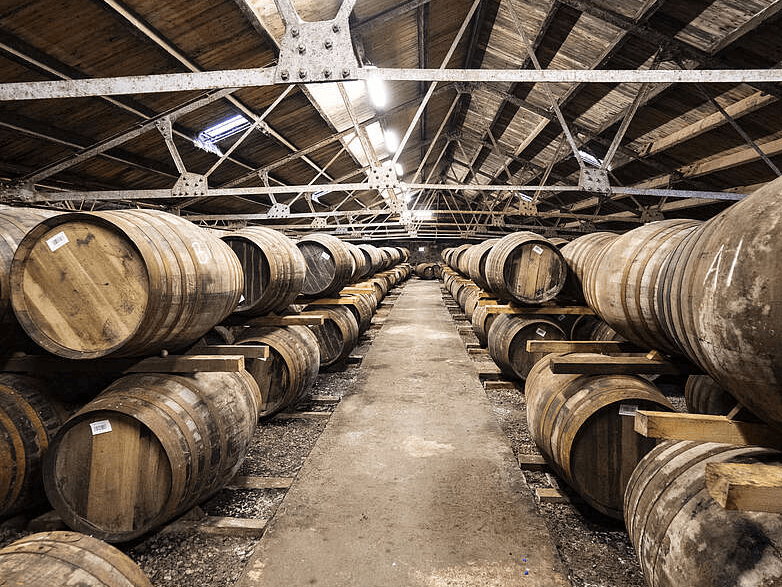
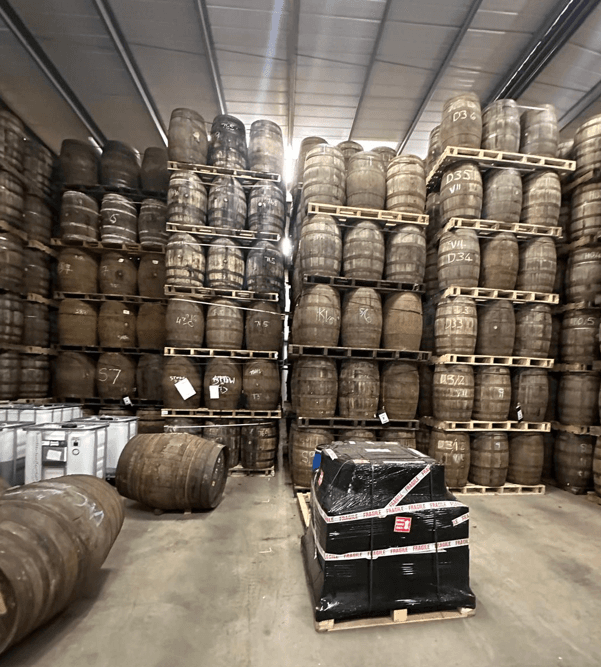
A whisky cask can remain in a Scottish bonded warehouse for decades without a bottle ever reaching a shelf. That makes the tax position less intuitive than buying shares, property or even bottled spirits. So, are whisky casks taxable? Yes, potentially - but the tax due, the person responsible and the timing all depend on how the cask is held, whether it stays in bond, and whether your activity is investment or trading.
For UK buyers, the most significant distinction is between whisky held in bond and whisky released for consumption. A well-managed transaction should make that status clear from the outset, alongside the ownership record, warehouse details and any ongoing costs.
Are whisky casks taxable while held in bond?
Whisky held in a bonded warehouse is subject to duty suspension. In practical terms, UK excise duty and VAT are not normally paid simply because the cask has been bought, sold or continues to mature in bond.
The cask remains under warehouse control, with the alcohol not yet released into the UK market for drinking. This is one reason bonded ownership is central to the cask market: it allows ownership to change without immediately triggering the substantial duty and VAT costs associated with bottled, duty-paid stock.
That does not mean an in-bond cask is tax-free in every respect. It means that excise duty and VAT on the whisky itself are generally deferred while the stock remains correctly held in bond. The exact treatment of a purchase can depend on the contractual structure, the seller’s status, where title transfers and the warehouse arrangements. Buyers should receive clear documentation rather than relying on a broad claim that a cask is “VAT-free”.
What happens when whisky leaves bond?
Excise duty becomes relevant when whisky is released from bond for consumption in the UK. VAT is generally charged on the value of the goods plus the duty. The party arranging the release needs to understand who bears those charges under the agreement.
For an owner, this matters most if the intended exit strategy is bottling for sale in the UK, taking delivery, or gifting bottles after bottling. Duty and VAT can materially alter the economics of a cask that initially appeared attractively priced in bond.
If the whisky is exported from bond under the correct procedures, the outcome may differ. International movements bring their own documentation, warehouse and local tax considerations. A buyer based outside the UK should consider both the UK position and the rules in their country of tax residence or destination market.
VAT on cask purchases, sales and services
VAT is often the area where assumptions cause the most confusion. The fact that whisky is stored in bond does not automatically determine the VAT treatment of every connected transaction.
A transfer of ownership in bonded whisky may be structured so that UK VAT is not charged on the whisky at that point, but this depends on the facts. The seller, the place of supply, the contractual terms and the precise nature of the transaction can all matter. A professional invoice and transfer record should show the agreed treatment clearly.
Separate services are a different question. Storage, insurance, regauging, sampling, brokerage, bottling preparation and administration may each have their own VAT treatment. For example, a warehouse storage charge or transaction facilitation fee may carry VAT even where the whisky remains duty-suspended.
The practical lesson is straightforward: ask for the full cost schedule. Purchase price alone does not show the total capital required to buy, maintain and eventually sell or bottle a cask.
Capital gains tax when selling a whisky cask
Whether a profit on a whisky cask sale is subject to UK Capital Gains Tax is more nuanced than many buyers expect. It may depend on whether the cask is treated as a wasting asset, the purpose for which it was acquired, its expected useful life and the owner’s wider activity.
A wasting asset is broadly an asset with a predictable life of 50 years or less. Certain wasting chattels can be exempt from Capital Gains Tax, but the rules are fact-specific and exceptions can apply, particularly where an asset has been used for the purposes of a trade or where the owner’s activity is more commercial in nature.
It would be unwise to buy a cask on the assumption that all gains will automatically be tax-free. The ageing profile, cask condition, intended holding period and manner of ownership may all be relevant. The position can become less straightforward for a portfolio of casks acquired and turned over regularly, or where cask activity sits within a business.
Keep a complete file from purchase to exit. This should include the original invoice, ownership certificate or delivery order, warehouse records, any regauge reports, storage invoices, sale agreement and broker fees. Even where no Capital Gains Tax is ultimately payable, good records provide evidence of ownership, costs and the nature of the transaction.
Investment activity versus trading activity
A private owner who buys a cask, holds it for maturation and sells it years later may have a very different tax profile from someone repeatedly buying and reselling casks for short-term profit.
HMRC considers the facts rather than the label an owner gives themselves. Frequency of transactions, the intention at purchase, methods of financing, work undertaken to improve or market the asset, and the overall commercial pattern can all be relevant when distinguishing investment from a trade.
If an activity amounts to trading, profits may be subject to income tax rather than Capital Gains Tax. If it is conducted through a company, corporation tax and company accounting rules may apply instead. Neither route should be assumed without advice from an accountant or tax adviser familiar with alternative assets and bonded spirits.
Income tax and companies holding casks
A cask does not ordinarily produce annual income simply by maturing in a warehouse. Its value may rise, but that is not the same as receiving rent, interest or a dividend.
Tax can arise where income is generated around the cask - for example, through a commercial bottling arrangement, sales activity or a business that holds inventory. A company holding casks also needs to consider how they are classified in its accounts. Casks held as stock for resale can be treated differently from casks acquired as long-term investments.
Using a company is not a universal tax solution. It can bring administrative obligations, accounting costs and a second layer of tax when funds are extracted. The right ownership structure depends on the buyer’s circumstances, the size of the holding and the intended exit.
Inheritance tax and gifting considerations
Whisky casks form part of an individual’s estate for UK Inheritance Tax purposes, based on their market value at the relevant time. A cask held in bond should still be valued realistically, taking account of its age, distillery, fill date, alcohol strength, wood type, warehouse position, condition and market demand.
Gifting a cask can also create tax considerations. A lifetime gift may have Inheritance Tax implications if the giver dies within seven years, and a gift to a connected party or trust can introduce additional complexity. The warehouse will also need to process an authorised transfer of ownership. A private agreement alone does not necessarily update the warehouse record.
For estates and family transfers, documented title matters as much as valuation. Clear ownership records reduce the risk of delays, disputes and uncertainty when executors or beneficiaries need to establish what is held and where.
A practical tax checklist before buying or selling
Before committing to a cask transaction, establish four points: whether the cask is held in bond; who is recognised by the warehouse as owner; what charges apply to the transaction and ongoing management; and what your likely exit route will be.
Ask for the cask’s identifying details, including distillery, cask number, type, fill date, age statement where applicable, alcohol strength and warehouse location. Confirm how title will transfer, what document evidences that transfer, and whether the warehouse has acknowledged the new owner. These are operational essentials, but they also support a defensible tax and record-keeping position.
Cask Empire’s transaction process is designed around this kind of clarity: verified cask information, coordinated payment, documented ownership transfer and bonded warehouse administration. It cannot replace personal tax advice, but structured records make it far easier for an owner and their adviser to assess the correct treatment.
The right question is not just whether tax applies
The useful question is when tax may arise, on what value, and under which ownership structure. Duty suspension can make cask ownership operationally efficient, but it does not remove the need to consider VAT on services, tax on trading profits, potential treatment on disposal and inheritance planning.
Before buying, decide whether you are building a long-term private holding, running a commercial activity or planning to bottle and release stock. That decision should shape the documentation you request, the costs you budget for and the tax advice you take before the cask changes hands.