A whisky cask can look like a straightforward alternative asset: choose a distillery, buy stock, let it mature and sell later. The real decision begins earlier. Cask purchase versus fund investment determines what you actually own, who makes the key decisions, how fees are applied and how much control you retain when it is time to exit.
For buyers considering a meaningful allocation to Scotch whisky, neither route is automatically superior. Direct ownership offers specificity and control, but it requires active attention to documentation, storage and resale. A fund can provide diversification and professional management, but usually means accepting less visibility over individual assets and a different fee structure. The right route depends on your objectives, time horizon and appetite for operational involvement.
What direct cask ownership means
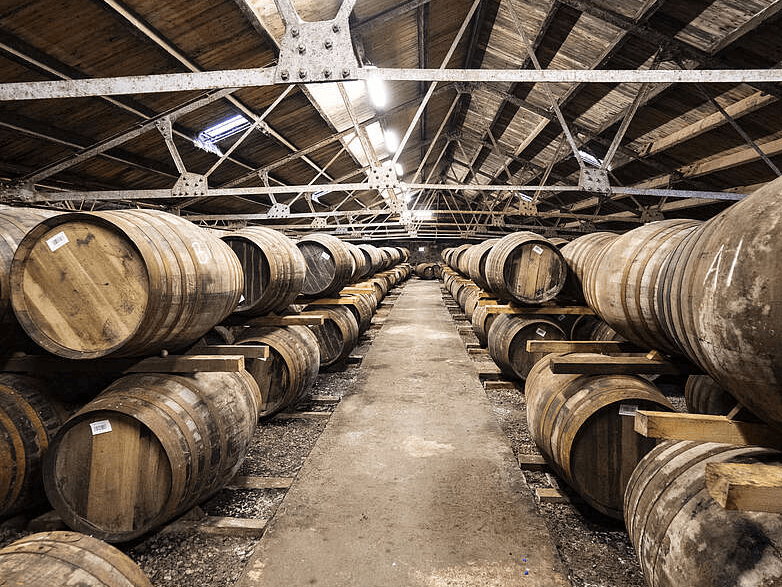
When you purchase a cask directly, you should acquire beneficial title to a specific, identifiable cask held in a bonded warehouse. That means the cask is not simply an entry in a seller's internal system. It should be supported by clear paperwork showing the distillery, fill date, cask type, bulk litres or litres of alcohol, warehouse location and ownership details.
The appeal is tangible control. You can select the distillery, age profile and cask style that suit your preferences. A buyer may favour younger new-make from an established producer, for example, or a more mature cask with a shorter anticipated holding period. You can also decide whether to retain the cask, list it for sale or, where permitted and commercially sensible, explore bottling options later.
That ownership is accompanied by responsibility. Whisky must remain under bond until duty is paid, and the warehouse arrangement, insurance position, regauging records and ownership transfers all matter. Annual storage and insurance charges are common, while the cask itself will gradually lose volume and alcoholic strength through natural evaporation, often called the angel's share. Maturation can improve desirability, but it does not guarantee a gain.
Direct ownership works best for buyers who want to understand the asset they hold and are prepared to take a measured, long-term view. It can suit collectors as well as investment-minded buyers, because the cask can be chosen for its individual provenance rather than only its projected financial outcome.
How a whisky fund investment works
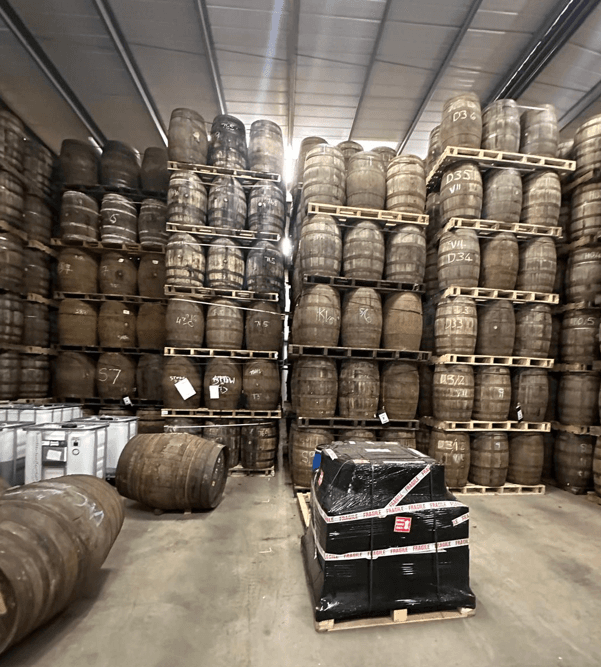
A whisky fund generally gives an investor exposure to a managed pool of assets rather than title to a particular cask. Depending on the structure, the fund manager may buy casks across distilleries, ages and warehouses, and investors hold shares or units in the vehicle. The manager makes purchasing, holding and disposal decisions according to the fund's mandate.
This approach can reduce the practical burden on the individual. The manager may handle sourcing, warehouse relationships, valuation policies, insurance and sales activity. A diversified portfolio can also reduce reliance on the performance and market appeal of one distillery or one cask type.
However, diversification should not be confused with certainty. The fund's result depends on its acquisition discipline, costs, valuation method, liquidity arrangements and ability to sell assets at appropriate prices. If the underlying market becomes slower, a stated net asset value may not represent the price achievable in an immediate sale. Funds can also impose redemption windows, notice periods or restrictions, especially where their assets are inherently illiquid.
Before investing, establish whether the vehicle is regulated, who has custody of the assets, how valuations are produced, what happens if the manager changes or fails, and what rights investors have to information. These questions are as important as the whisky itself.
Cask purchase versus fund investment: the practical differences
The central distinction is simple: a direct buyer owns a defined asset, while a fund investor owns an interest in a managed structure. From that point, the differences become commercially significant.
Control and selection
With a direct cask purchase, you choose the stock. You may decide that provenance, distillery reputation, cask quality or a particular vintage matters to you. You also retain control over sale timing, subject to the realities of market demand and any warehouse process.
In a fund, selection is delegated. That can be useful if you want exposure without researching individual casks, but it means you must assess the manager's process rather than each underlying asset. You are trusting their sourcing discipline, pricing judgement and exit strategy.
Fees and cost visibility
Direct ownership usually involves an acquisition price, storage, insurance, transfer administration and a sale commission when you exit. There may also be charges for appraisal, warehouse services or bottling-related work if those become relevant. The benefit is that each cost can often be identified against your cask and reviewed before proceeding.
A fund may charge entry fees, annual management fees, administration expenses and, in some cases, performance fees. These are not inherently unreasonable - management has a cost - but they can materially affect net returns over a long holding period. Ask for a full illustration of ongoing charges and establish whether costs are deducted before reported performance figures.
Liquidity and exits
Neither route should be treated as readily cashable. Selling a cask requires a willing buyer, credible documentation and pricing that reflects current demand. A well-presented cask with clean title and coordinated warehouse administration is generally easier to market than an asset with unclear records, but no resale outcome is guaranteed.
A fund may appear more liquid because investors can request redemptions rather than sell an individual cask. Yet the fund still needs cash or asset sales to meet those requests. Read the redemption terms closely. Frequency, notice periods, gates and suspension rights tell you more about real liquidity than promotional language does.
Transparency and valuation
Direct owners can request current warehouse records and seek pricing guidance based on comparable market activity, distillery demand, age and cask characteristics. There is still judgement involved: whisky does not have a public exchange with a single daily price. But you can see precisely what is being assessed.
Fund investors should understand how the manager values casks between sales. Independent valuations, clear methodology and regular reporting provide stronger grounds for confidence than broad portfolio estimates. If a valuation cannot be explained in plain terms, treat that as a reason for further diligence.
Due diligence before committing capital
Whether you buy a cask or invest through a fund, a disciplined process protects against avoidable risk. At a minimum, examine the following:
The legal ownership position, including beneficial title for direct casks or the investor rights attached to fund units.
The identity and standing of the warehouse, manager, seller and any party handling client money.
The full cost schedule, including recurring storage, insurance, administration, management and exit charges.
The valuation approach and the evidence used to support the purchase price.
The route to resale or redemption, including expected timescales and any contractual restrictions.
For direct purchases, verify that ownership transfer will be recorded properly with the relevant warehouse or through the recognised administrative process. A purchase certificate alone may not be sufficient if it does not correspond with warehouse records. For funds, request the governing documents and assess them with appropriate legal, tax and financial advice where the commitment is substantial.
Tax treatment also varies by residence, structure and how the investment is realised. Whisky held in bond has a specific duty status, but that does not settle an owner's wider tax position. Buyers should obtain advice tailored to their circumstances rather than rely on general assumptions.
Which approach fits your objective?
Direct cask ownership is often the stronger fit when personal selection, identifiable ownership and control over the eventual sale matter most. It is particularly relevant for buyers who appreciate whisky as a collectible asset as well as a commercial one, and who are comfortable holding for several years while managing a small number of positions.
A fund may fit better when your priority is professional delegation and broader exposure. It can be a practical route for an investor who does not want to assess individual casks or coordinate warehouse administration. The trade-off is reduced discretion and the need to place considerable weight on the manager's governance, reporting and cost discipline.
Some buyers prefer not to treat the decision as absolute. A core allocation to a managed structure and a smaller number of directly owned casks can offer different forms of exposure, provided the combined fees, liquidity profile and concentration risk are properly understood. That approach still requires care: owning several assets does not automatically create effective diversification if they rely on the same buyer base or market conditions.
The most useful question is not which route sounds simpler at the outset. It is whether you can clearly explain what you own, what it costs to hold, who controls the exit and what evidence supports the price. When those answers are documented before funds change hands, a whisky allocation begins from a far stronger position.