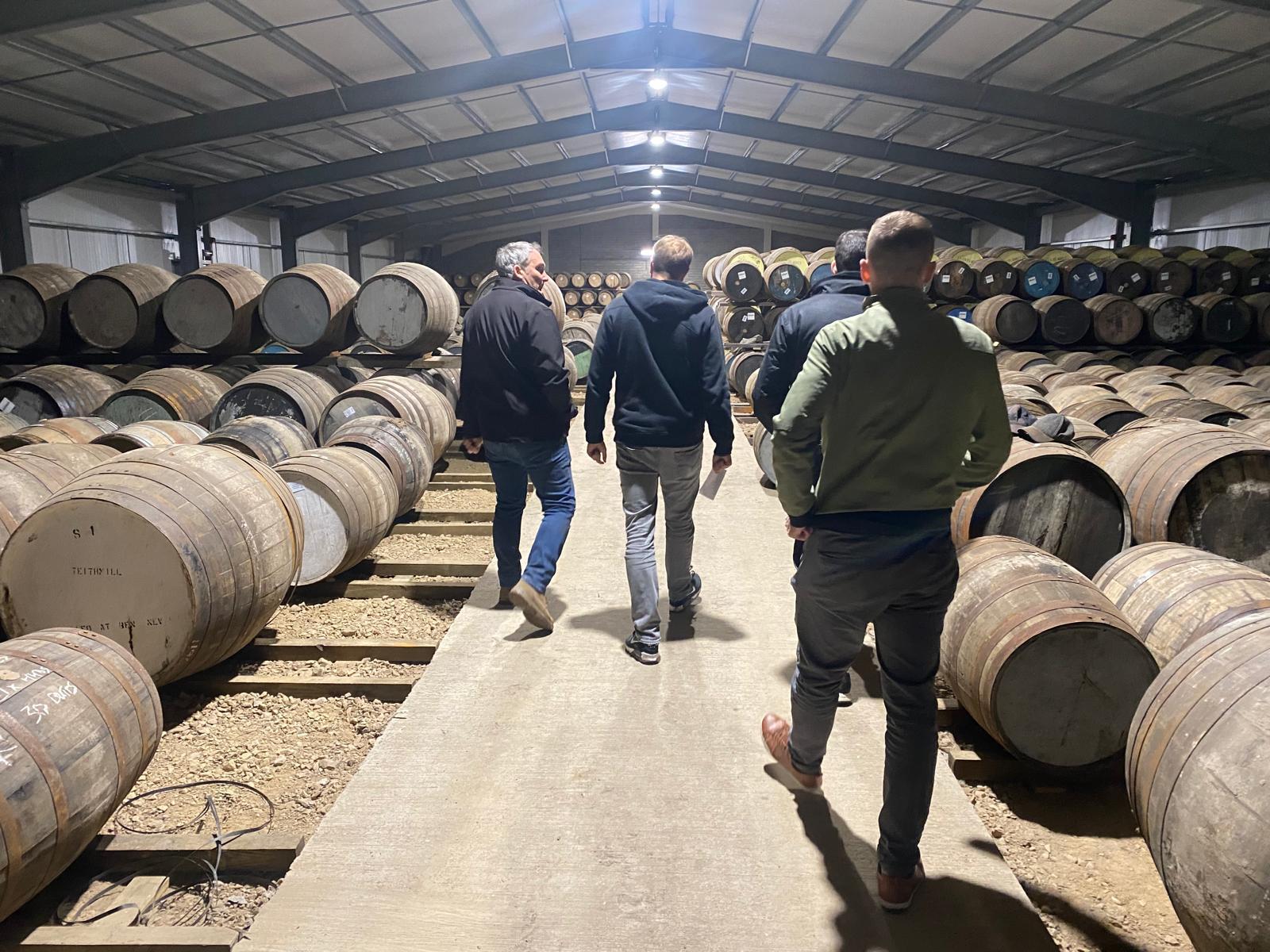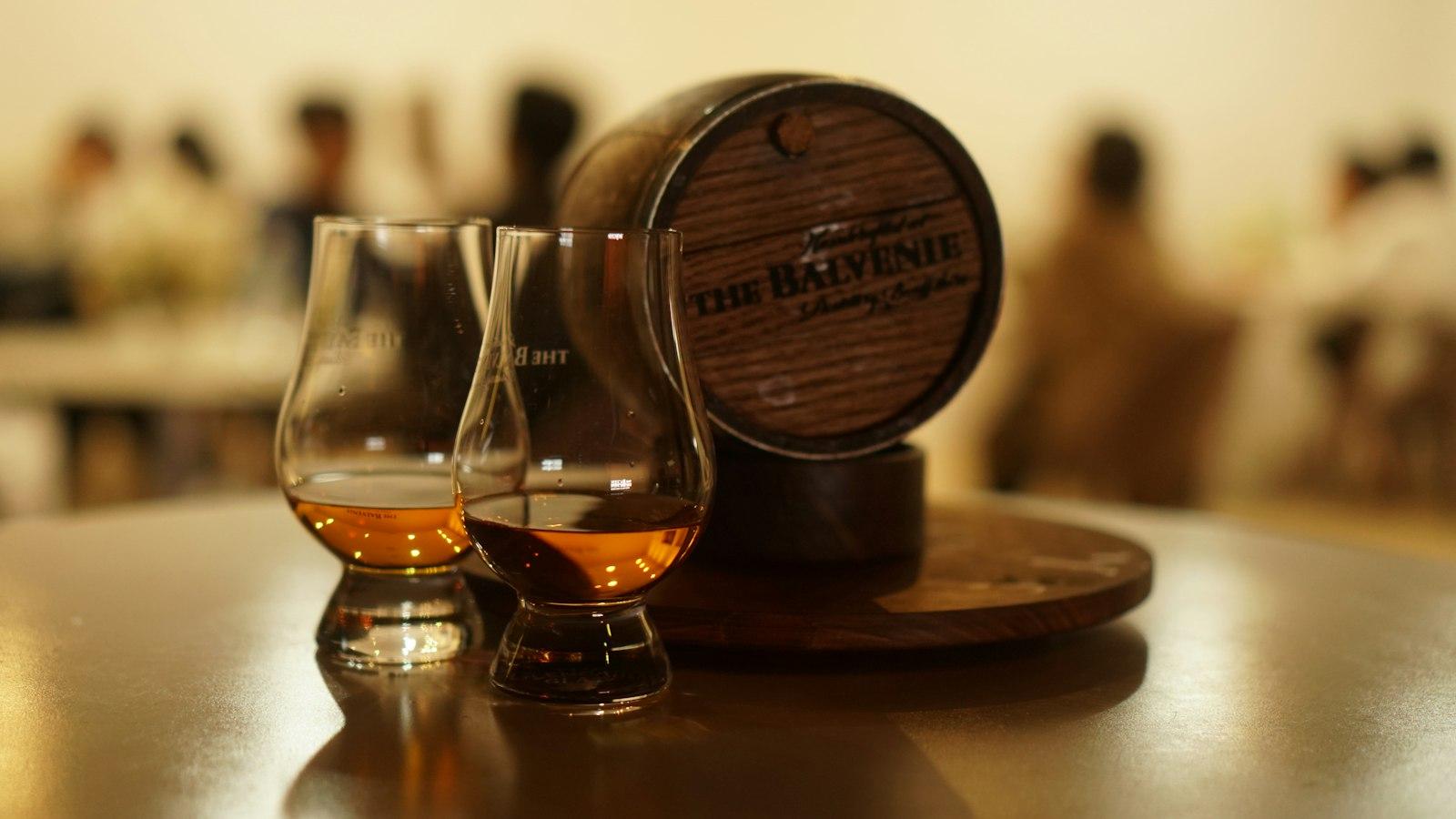
Whisky maturation involves a gradual interaction between spirit, oak and the surrounding warehouse environment.
During this process, evaporation can reduce both the volume and alcoholic strength of the liquid.
For owners of older whisky casks, monitoring alcohol strength is particularly important.
Why Is 40% ABV Important?
Under Scotch Whisky Regulations, Scotch whisky must have a minimum alcoholic strength of 40% ABV.
This requirement applies to the product being marketed as Scotch whisky.
If the spirit inside a cask falls below 40% ABV, it generally cannot be bottled and sold as Scotch whisky at that strength.
This can have significant commercial consequences.
Why Does Alcohol Strength Change?
During maturation, alcohol and water evaporate through the oak.
The relative rate of evaporation depends on factors including warehouse humidity, temperature and cask characteristics.
In many Scottish maturation conditions, alcoholic strength gradually declines.
However, this is not universal.
Some casks may experience different patterns depending on their storage environment.
What Happens If a Cask Drops Below 40%?
A cask falling below the legal minimum strength presents a serious commercial challenge.
The liquid cannot simply be sold as standard Scotch whisky at its existing strength.
Whether any remedial action is legally and commercially possible depends on the circumstances and applicable production rules.
Adding stronger spirit or blending with other whisky is not an automatic solution.
Owners should seek specialist guidance before taking action.
Why Regauging Matters
Consider a cask currently measuring 43% ABV.
If its strength continues to decline, waiting another ten years could create additional risk.
Regular regauging allows owners to monitor:
- Current alcoholic strength
- Remaining bulk volume
- Total RLA
- Changes since previous measurements
These measurements can inform decisions about continued maturation, sale or bottling.
The Financial Risk
Imagine an older cask valued at £8,000 while it remains commercially suitable for bottling.
If the alcoholic strength falls below the legal threshold, potential buyers may reconsider its usefulness.
The resulting impact on value could be substantial.
There is no universal discount because the available commercial options depend on the individual cask.
The Bottom Line
Older whisky does not automatically become more valuable every year.
As a cask approaches 40% ABV, monitoring its condition becomes increasingly important.
A well-timed sale may protect more value than holding the whisky for additional maturation.