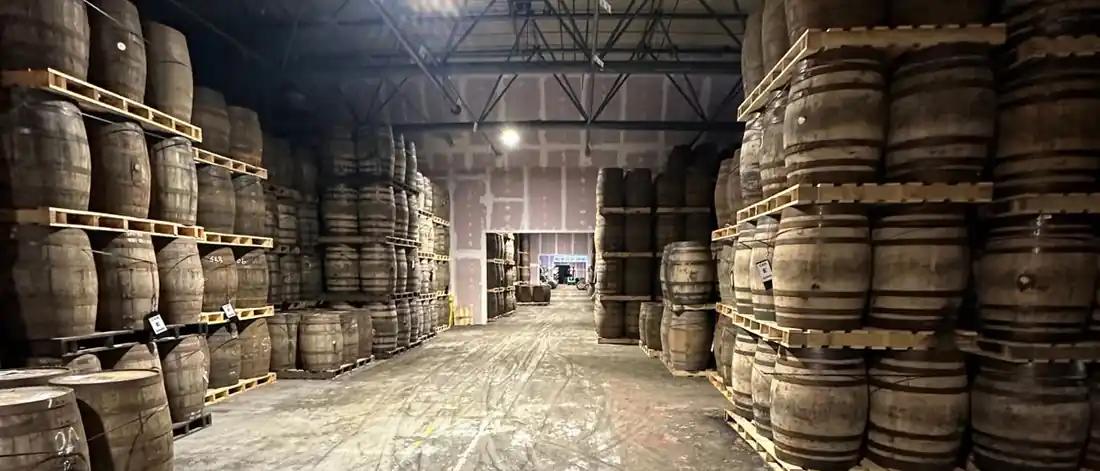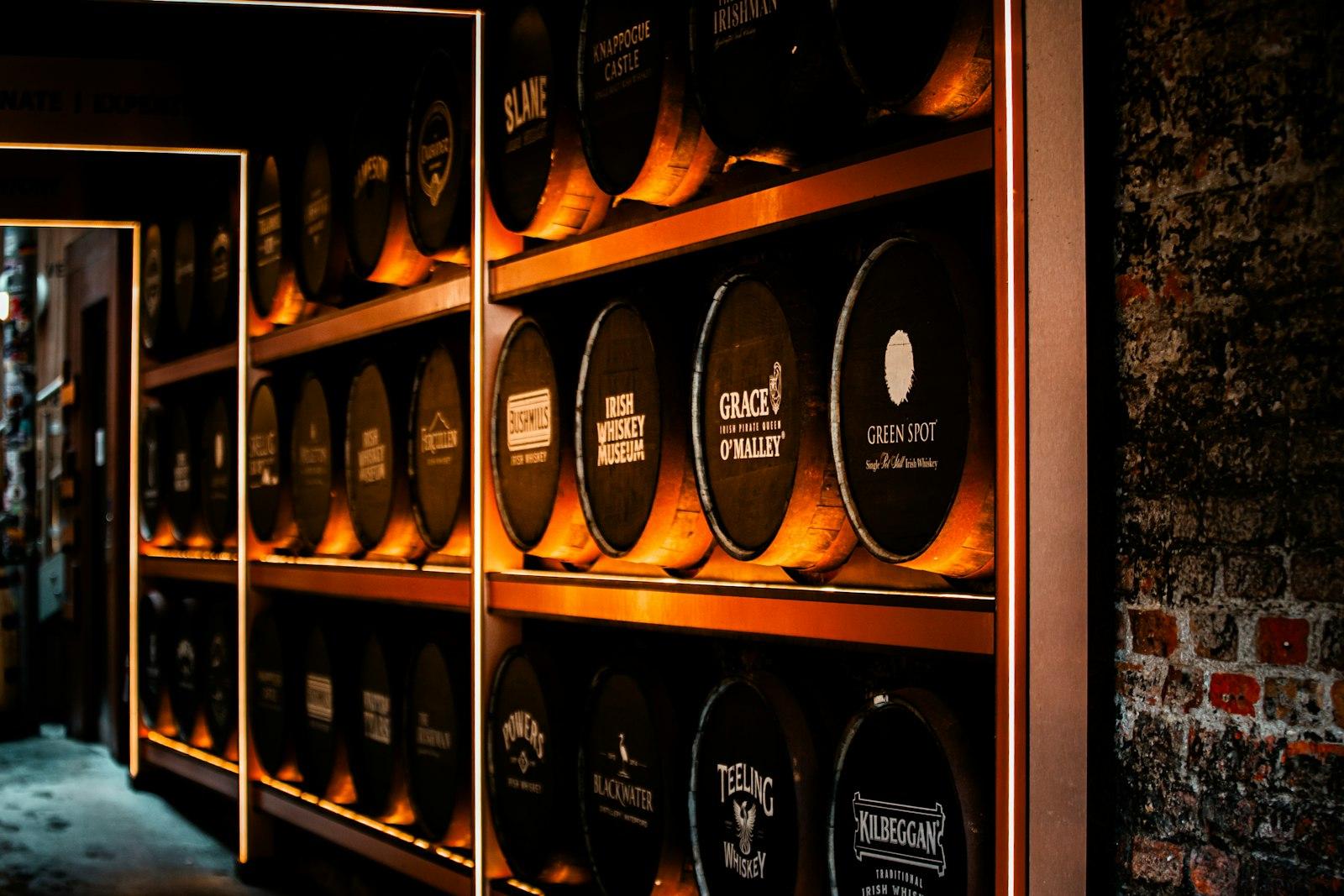
Independent bottlers play an important role in the Scotch whisky industry.
Unlike distilleries that primarily bottle whisky under their own brands, independent bottlers acquire spirit from external sources and release it under their own labels.
For private cask owners, understanding this market can help establish a more realistic exit strategy.
What Do Independent Bottlers Look For?
Independent bottlers typically evaluate whisky casks according to several commercial considerations.
These include:
- Distillery and production year
- Maturation quality
- Alcohol strength
- Remaining RLA
- Cask type
- Sensory characteristics
- Expected finished-bottle selling price
- Availability of suitable packaging and distribution channels
A well-known distillery may attract interest, but it is not the only consideration.
The whisky must also make financial sense for the bottler.
Understanding the Economics
Consider a hypothetical independent bottler evaluating a cask containing 120 RLA.
If bottled at 46% ABV, the theoretical output would be:
120 ÷ 0.46 ÷ 0.7 = approximately 372 bottles.
If the bottler expects to realise an average net wholesale selling price of £35 per bottle:
372 × £35 = £13,020 in potential wholesale revenue.
From this figure, the bottler must account for:
- Cask acquisition
- Alcohol Duty
- Bottling and packaging
- Logistics
- Sales and marketing
- Operating expenses
- Required profit margin
As a result, the price an independent bottler can afford to pay for the cask may be substantially lower than the apparent retail value of the finished whisky.
Why Retail Prices Can Be Misleading
Private cask owners sometimes calculate potential value by multiplying the theoretical number of bottles by the retail price of an established branded whisky.
This approach can substantially overstate achievable wholesale cask values.
A £100 retail bottle does not mean the liquid inside an equivalent cask is worth £100 multiplied by every potential bottle.
Retail pricing includes taxes, packaging, distribution, retailer margins and brand value.
What Does This Mean for Sellers?
The most effective resale strategy begins with understanding the buyer's commercial requirements.
A competitively priced cask with accurate warehouse documentation and a recent regauge may be easier to market than an overpriced cask accompanied by unrealistic projections.
The Bottom Line
Independent bottlers purchase whisky as a commercial input, not simply as a speculative investment.
For private sellers, understanding bottling economics and wholesale demand is essential.
Cask Empire focuses on realistic valuations and identifying potential buyers within the wider whisky industry.