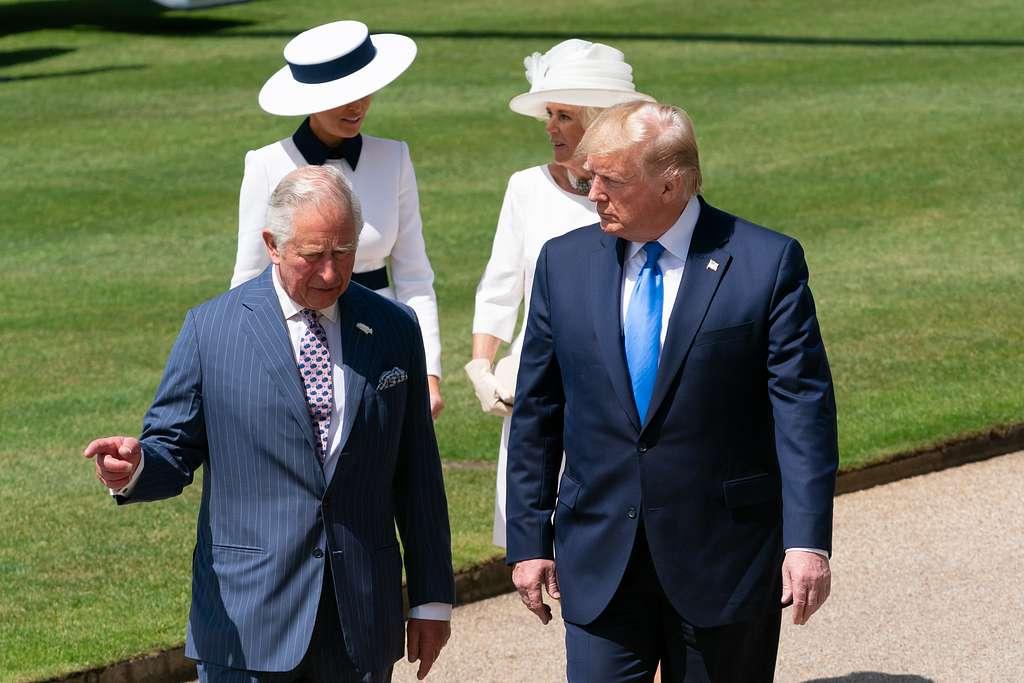
President Trump removes Whisky Tariffs signalling a massive boost for the trade in general, which was costing exports over £150m annually.
The removal of tariffs doesn't just increase demand, it fundamentally improves how whisky moves globally, and that's where real value is unlocked. Previously, the additional costs made US exports far less viable, forcing bottlers to price higher and sacrifice competitiveness, which pushed many to focus on EU or domestic markets instead. Now, with those barriers lifted, direct UK-to-US exports become commercially attractive once again. Bottlers can reduce end pricing while maintaining their margins, and US buyers are re-entering the market at scale; a shift that signals not just a short-term spike, but a structural realignment in how and where Scotch whisky flows.
Over the past year, Scotch whisky exports to the United States were significantly impacted, with losses estimated at around £150 million, a figure that rippled far beyond the headline number. US importers reduced their purchasing volumes, independent bottlers delayed or cancelled releases altogether, and secondary market activity slowed considerably. Cask valuations, while reflective of genuine quality, became increasingly difficult to realise in actual sales. Yet throughout this period, casks continued to do what they do best; quietly maturing, gaining age and intrinsic quality regardless of market conditions. The buyer pool may have shrunk, but the whisky only improved. With the removal of the tariff, that pressure has potentially been relieved, and the pent-up demand built during this period could now begin to find its way back into the market.

Why the US Market Drives Whisky Cask Exits
The United States consistently represents the largest export market for Scotch whisky, typically exceeding £1 billion annually in value, and for private cask owners, this is critical.
The US market:
- Supports higher retail bottle prices (often 20–40% stronger than EU equivalents)
- Drives demand for premium and aged stock
- Attracts independent bottlers targeting margin-rich markets
- Includes a large base of private collectors and high-net-worth buyers
When US demand is restricted, exits slow down. When US demand is open, exits accelerate, and the removal of tariffs effectively reopens the most important global exit channel.
What This Means for Cask Owners
For existing cask owners, this development is highly positive—particularly for those holding well-aged or well-priced stock.
Short-Term (0–6 months)
- Increased buyer enquiries, particularly from US-linked bottlers
- Previously paused bottling projects resuming
- More competitive offers on market-ready casks
Mid-Term (6–18 months)
- Potential 10–25% price uplift on desirable casks (10–20 years old, strong distilleries)
- Improved deal flow across the secondary market
- Faster time-to-exit for realistically priced casks
A cask previously valued at £8,000–£10,000 may now attract offers closer to £9,500–£12,000 depending on quality and age, and bottled equivalents may see stronger margins, improving buyer appetite at cask level

Export Channels, The Real Driver of Liquidity
The removal of tariffs doesn't just increase demand, it fundamentally improves how whisky moves globally, and that's where real value is unlocked. Previously, the additional costs made US exports far less viable, forcing bottlers to price higher and sacrifice competitiveness, which pushed many to focus on EU or domestic markets instead. Now, with those barriers lifted, direct UK-to-US exports become commercially attractive once again. Bottlers can reduce end pricing while maintaining their margins, and US buyers are re-entering the market at scale, a shift that signals not just a short-term spike, but a structural realignment in how and where Scotch whisky flows.
The timing of this development is particularly significant. The whisky cask market through 2025 and into 2026 has broadly been navigating a low-to-mid cycle, characterised by pricing pressure on older casks, increasingly selective buyers, and tightening liquidity across certain segments. This tariff removal acts as a macro-level catalyst with the potential to reverse that trend. Crucially, while the market softened, casks never stopped maturing, and quality has continued to improve even where pricing stalled. The supply of genuinely aged stock remains finite by its very nature, and with demand returning and the commercial pathway to the US reopened, the market begins to rebalance in favour of sellers, bringing renewed momentum to an asset class that has simply been waiting for conditions to catch up with its quality.
At Cask Empire, our focus has always been on realistic valuations rather than inflated pricing, verified documentation and offering full transparency. Creating exit opportunities for cask owners is why we started, and this development only benefits our cause. We are already seeing the effects in real time: increased inbound demand tied to US distribution, stronger alignment between valuation bands and achievable sale prices, and more active negotiations across listed casks.
In short, the market is becoming more functional again—which is exactly what cask owners need. And in a market where timing and access to buyers are everything, this is exactly the kind of shift that turns paper valuations into real transactions.