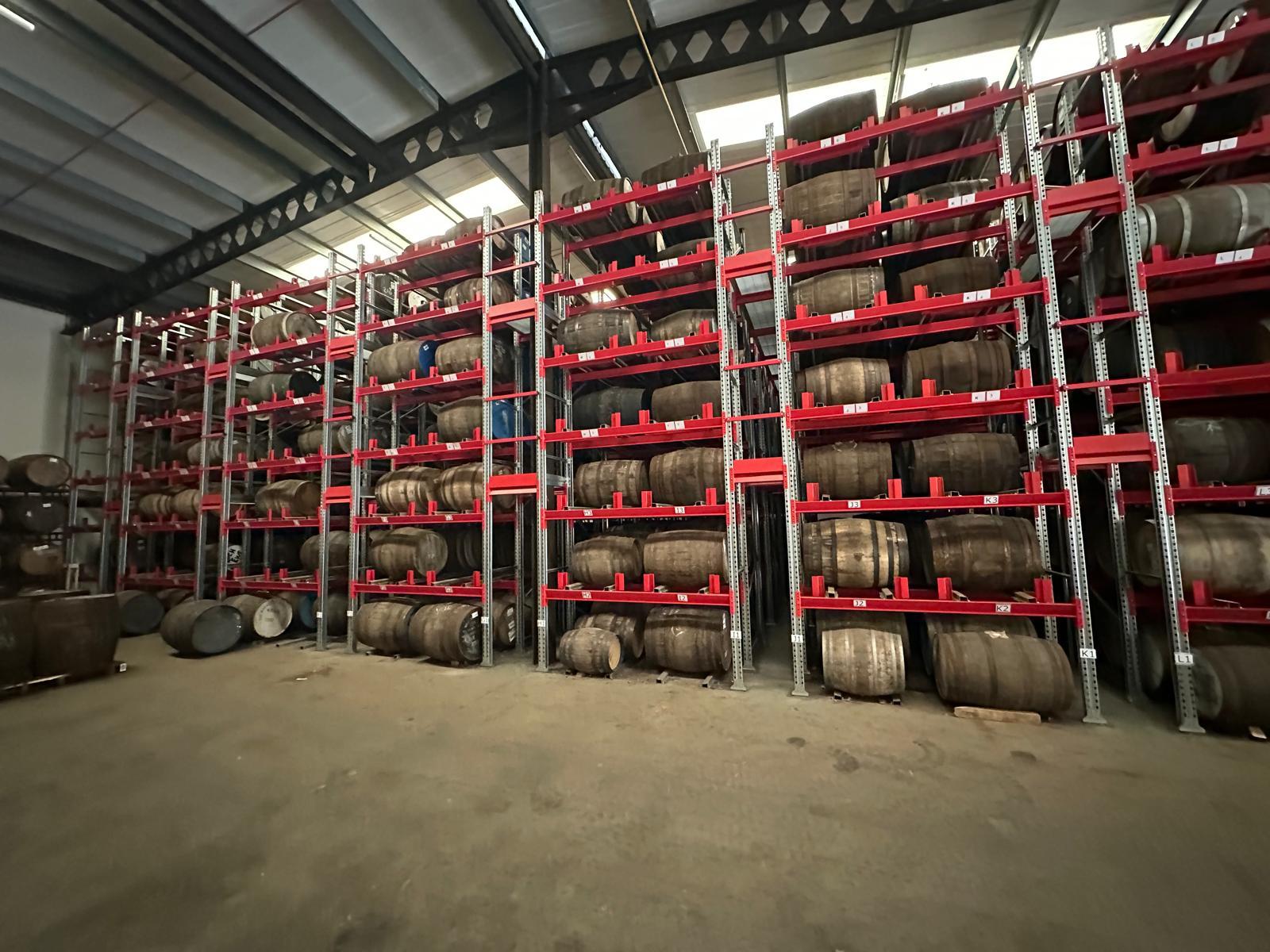
In this guide, we’ll walk through exactly how to sell your whisky cask, what to expect, and how to maximise your exit price.
Selling a whisky cask in the UK can be highly profitable — but only if you understand how the market works. Many private cask owners struggle to find buyers, achieve fair value, or even know where to begin. Before selling your cask, you need to confirm the key details:
- Distillery (e.g. Macallan, Glenrothes, Caol Ila)
- Fill year (age of the cask)
- Cask type (ex-bourbon, sherry, etc.)
- Bulk litres (OLA / RLA)
- Alcohol strength (ABV)
- Storage warehouse
- You should also have a Delivery Order (DO).
1. A realistic evaluation
One of the biggest mistakes sellers make is overpricing their cask. The whisky cask market is not like property, pricing is driven by multiple factors such as:
- Current trade demand
- Distillery reputation
- Age and remaining lifespan
- Volume and ABV
For example:
- A cask valued at £5,000 retail may only achieve £3,500–£4,200 in the current market
- Older casks (20+ years) may actually be harder to sell due to declining ABV and limited buyer pool
Getting a low / mid / high valuation range is critical before listing.
2. Choose how you want to sell
There are three main routes to sell a whisky cask in the UK; private sale, auction houses and a specialist platform, such as ourselves.
Private Sale
- Selling directly to another individual
- Potential price: £3,000–£20,000+ depending on cask
- Risk: low liquidity, trust issues, slower process
Auction Houses
- Public auction exposure
- Fees: 10%–20% seller commission + buyer premium
- Risk: no guarantee of sale, price volatility
Specialist Platform
- Verified listings
- Pre-qualified buyers
- Active offer management
- Typical fees:
- ~8.5% seller commission
- This route often delivers a balance of speed, security, and fair pricing.

3. Preparing your cask for sale
To maximise your sale price, you should have:
- Delivery Order (DO)
- Warehouse details
- Regauge report (within last 12 months ideally)
- Original purchase information (if available)
A recent regauge is especially valuable, it confirms:
- Current volume
- Updated ABV
- True remaining liquid
This reduces buyer uncertainty and can increase your sale price by 5%–15%.
3. Understand the transfer process
Once you agree a sale, the process typically works as follows:
- Buyer and seller agree price
- Funds are secured (often held until transfer is confirmed)
- Warehouse processes change of ownership
- New Delivery Order is issued to buyer
This usually takes 2–6 weeks, depending on the warehouse. Reputable platforms will hold funds securely and only release them once ownership is confirmed — reducing fraud risk.
3. Common mistakes to avoid
- Overpricing based on outdated valuations
- Not having a valid Delivery Order
- Ignoring ABV decline over time
- Selling through unverified buyers
- Waiting too long (especially for older casks)
Selling a whisky cask is not just about finding a buyer, it’s about finding the right buyer at the right price.
Final thoughts
Selling a whisky cask in the UK doesn’t have to be complicated — but it does require the right approach. With proper valuation, documentation, and access to active buyers, most casks can be sold efficiently and at fair market value.
At Cask Empire, we focus on one thing:
Helping cask owners exit their position with transparency, verified data, and real liquidity. If you’re considering selling your cask, start with a professional valuation, it’s the first step to unlocking its true market value.